The Golden Rules of Craft Photography: How to Take Professional-Looking Smartphone Photos Using Natural Light, Angles, and Styling
yassy
Crafters!

Hello, everyone! It’s Yassy from Crafters! (・∀・)
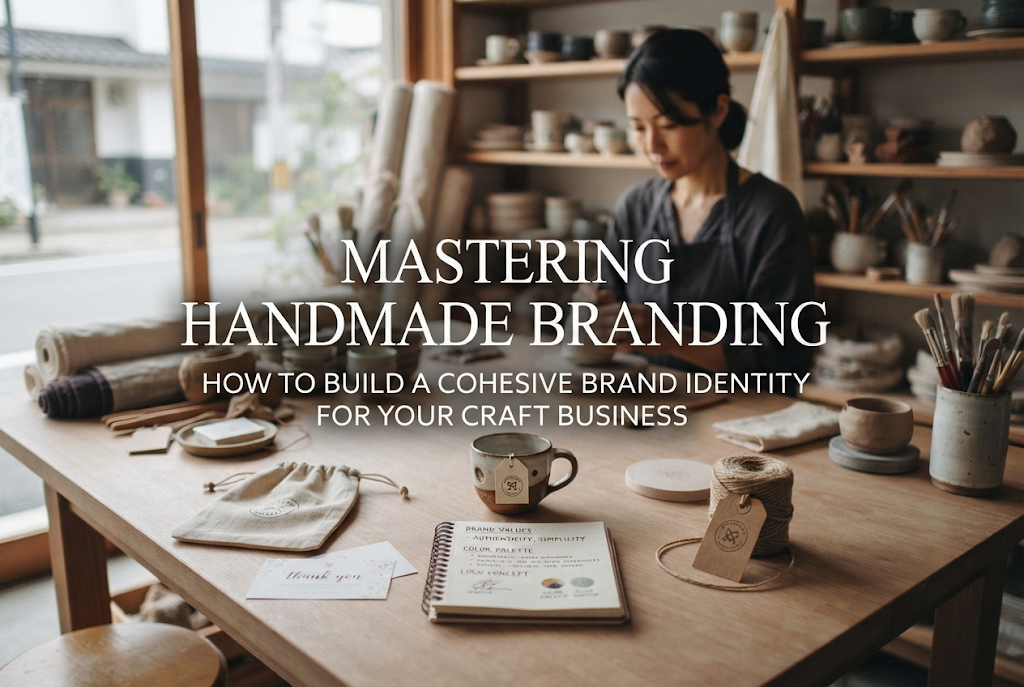
I absolutely love making handmade items, admiring stunning artisan works, and buying pieces from my favorite makers. Because I know the handmade world inside and out, there is one thing I can say with complete confidence: the single most important factor for succeeding in handmade sales isn't just technical skill—it is establishing a unified brand identity (a cohesive aesthetic and worldview).
Many beginner crafters struggle with common frustrations: "I pour my heart into crafting, but nothing sells," or "My Instagram followers just aren't growing." In most cases, the root cause is that the brand's aesthetic is scattered, leaving no lasting impression on potential customers. In a crowded marketplace filled with countless handmade goods, a lack of cohesive branding means your shop simply fades into the background.
In this guide, I will thoroughly break down actionable branding methods to help beginner makers build an unwavering brand worldview that attracts dedicated fans. We will skip vague theories and dive straight into concrete, practical steps you can implement today. Let’s get started!
Let's first look at why creating a consistent brand identity is so heavily emphasized in the handmade market. Understanding the underlying reasons will fundamentally reshape how you approach branding.
Today, online marketplaces and social media platforms are flooded with high-quality, pretty, and well-made items. Simply having a good-looking product is no longer enough to compete. As an avid handmade shopper who browses countless pieces every day, I often pass over items—no matter how beautifully crafted they are—if the overall shop feels disconnected or lacks a clear identity.
Buyers make a final purchase not just because they like an individual item, but because they connect with the brand's overall atmosphere, aesthetic, and story. A cohesive brand identity is your greatest tool for setting yourself apart from the crowd.
Branding might sound intimidating, but its core principle is simple: it is the process of cementing a clear association in your customer’s mind—making them think, "When I want [X], this is the shop to go to!"
For example, your goal might be to become known as "the go-to shop for vintage-inspired brass jewelry with a touch of elegance" or "the shop for cozy, Scandinavian-style embroidered bags." If your aesthetic is all over the place, there is no mental hook for customers to remember you by—and without that hook, they won't return.
The impression a customer gets from a cohesive shop versus a disorganized one is night and day.
A shop with an inconsistent aesthetic feels like a flea market table piled with mismatched goods. If one listing is pastel and sweet, the next is sleek black leather, and the one after that is a rustic linen pouch, shoppers won't know what to expect. This lack of clear direction can look unprofessional, leading to price haggling and zero repeat visits.
On the other hand, a shop with a perfectly unified aesthetic feels like a high-end curated boutique. The color palette, photography lighting, packaging, and social media visuals all share a single guiding thread. Customers immediately recognize professional craftsmanship, browse with confidence, and feel inspired to come back for more.
When starting out, many makers fall into the same predictable traps. Knowing these pitfalls in advance will save you time and keep your shop on the right track.
This is the most common mistake beginner crafters make: assuming that offering pop, rustic, elegant, and modern styles all at once will help reach a wider audience.
In reality, trying to cater to everyone results in a bland shop that resonates with no one. A core rule of marketing is: "A message aimed at everyone reaches no one." Mixing drastically different styles dilutes your brand. Successful handmade artists almost always specialize in a single, focused aesthetic.
Some makers design a chic logo, order custom cards and ribbon-tied boxes, and assume their branding is finished. However, these are merely surface-level decorations.
Visual polish is important, but it belongs in the final stage of branding. Without a clear core—knowing your concept, your target audience, and the experience you want to deliver—even the most luxurious packaging feels hollow. True branding means infusing a consistent philosophy across everything: your products, customer service, shipping, and written copy.
Another dangerous mindset is: "Handmade is about freedom, so whatever I enjoy making will naturally become my brand identity."
If crafting is strictly a hobby, pursuing only personal preferences is totally fine. But as a professional seller, customer needs and resonance are essential. A thriving brand identity lives at the exact intersection of what you love to make and what your target customer desires or aspires to own. There is a big difference between self-indulgent crafting and deliberate branding.
To unify your brand, you cannot rely on guesswork alone. You need a solid foundation. Here are the three essential pillars to define:
The first step in branding is creating a specific customer profile (a persona). Broad targets like "women in their 30s" are too vague to be actionable.
If I were launching a new brand, I would define a single, realistic persona like this:
With this level of detail, it becomes clear what jewelry she would wear to a café, or what kind of packaging and message card would brighten her day. Designing specifically for one persona will naturally attract hundreds of customers who share those exact values.
Next, choose three core keywords that capture your brand's essence. These three words will serve as your guiding filter for every future decision.
For the persona above, the keywords might be:
Whenever you design a product, take photos, or wrap an order, ask yourself: "Does this fit 'Natural & Effortless,' 'Quiet Elegance,' and 'Everyday Comfort'?" If an idea doesn't align with all three keywords, leave it out. This strict filter ensures a cohesive brand identity.
Customers don't just buy a physical object; they buy the emotional shift and experience that comes with it.
How will your customer feel when holding your piece? Will their morning commute feel a little brighter? Will catching their reflection bring a smile? Will they feel proud when a friend asks, "Where did you get that?" Clearly define this emotional experience and share it in your product descriptions, thank-you notes, and social media posts.
Once your brand pillars are set, translate them into visual elements. Since visual cues make up the vast majority of first impressions, follow these five steps to polish your shop's appearance:
Color management is crucial. Too many colors create a cluttered feel. Select a tight color palette and apply it using this ratio:
If you choose "soft blush pink, crisp white, and antique gold," strictly avoid introducing conflicting colors like neon green or bright blue into your visual branding.
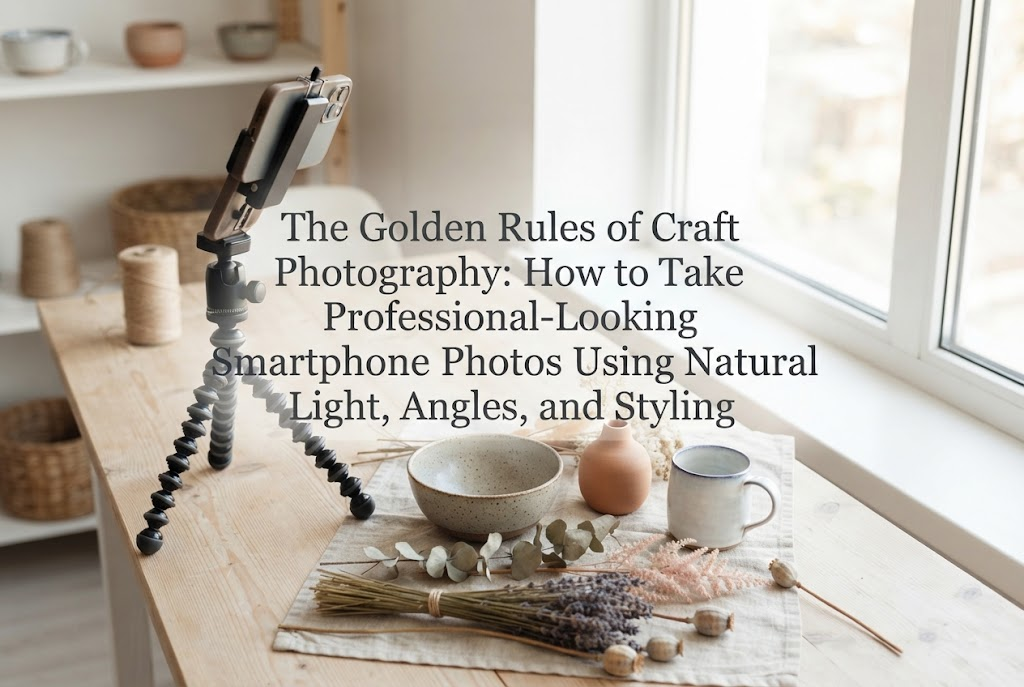
In online retail, your photos are your products. Inconsistent photo styles instantly look amateurish.
Standardize your photo setup completely:
Aim for your product grid to look as harmonious as a curated photo book.
Many makers overlook font choice. Mixing multiple decorative fonts across your shop banners, listing graphics, and social posts creates visual noise.
Limit your brand to just one or two fonts:
Once chosen, use these fonts consistently across every platform and print material.
Your product lineup needs clear cohesion. Avoid selling completely different materials and aesthetics in the same storefront.
For instance, if your shop focuses on delicate cotton pearl accessories, suddenly adding neon acrylic bead charms will confuse your audience and weaken brand trust. Whenever you introduce a new item, check whether it sits naturally beside your existing collection.
Unboxing is one of the most memorable touchpoints for a buyer. Treat your packaging as an extension of your craft.
From your shipping boxes and wrapping paper to stickers, business cards, and note cards, choose materials that reflect your brand keywords. A natural brand might use kraft paper, jute twine, and a sprig of dried flowers. A luxury-focused brand might use heavy matte cardstock with foil stamping and satin ribbon. Every step of opening the parcel should reinforce a wonderful brand experience.
Building a brand identity is just the beginning; maintaining it through day-to-day operations is where long-term success happens. Here are some key operational practices I rely on:
When inspiration strikes, it's tempting to make something and list it immediately. Before publishing, run through this four-point checklist:
If you answer "no" to any of these, adjust the piece or hold off on listing it. A single out-of-place item can disrupt the cohesive look you worked hard to build.
Every crafter occasionally gets inspired to create something completely outside their brand's usual style. That creative drive is wonderful and shouldn't be suppressed.
However, avoid listing it in your main shop. Instead, consider these two approaches:
If you choose to sell it, keep the accounts and storefronts distinct with their own dedicated personas. This protects your primary brand's clarity.
Ensure your brand voice stays consistent in social media captions, direct messages, and customer support.
If your shop embodies a calm, elegant aesthetic, your communication should reflect that same thoughtful, polished tone rather than overly casual slang or excessive emojis. When customers experience seamless attention to detail across every interaction, they are much more likely to share their experience on social media and return as repeat buyers.
Let's recap the essential takeaways for crafting a cohesive brand identity:
Branding isn't just a visual trick—it is the most effective way to share the passion, story, and value behind your handmade creations with the people who will appreciate them most.
Start small, whether that means choosing your core color palette or standardizing your photo setup. As you refine your aesthetic, you will build an authentic brand that draws in dedicated fans. As a fellow craft lover, I'm cheering you on as you bring your unique creative vision to life!
See you in the next article! This was Yassy from Crafters!



For example, if you are looking for articles about mizuhiki, try searching for "mizuhiki"; if you are interested in tools, try keywords like "nippers" or "pliers."
