Build Your Own Brand: The Complete Roadmap to Launching a Japanese Handmade Shop
yassy
Crafters!
Hello, everyone! It’s Yassy from Crafters! (・∀・)
As someone who absolutely loves making, viewing, and buying handmade creations, I’ve purchased countless pieces from various artisan shops over the years. Through all these experiences, I've noticed a clear difference between shop owners I buy from over and over again, and those where one purchase is more than enough. That decisive difference lies in the quality of customer service.
No matter how breathtaking a piece of craftwork is, if the seller takes forever to reply to messages or packs the item carelessly, my excitement as a buyer instantly drops. On the other hand, when an artisan shows genuine warmth and thoughtfulness in every interaction, I fall in love with their shop the moment the package arrives. It makes me resolve right then and there: "I definitely want to buy from this person again!"
In handmade sales, winning repeat buyers is the single most vital key to achieving stable sales. Constantly chasing brand-new customers requires immense effort, but once you build a loyal fan base of repeat buyers, you establish a solid foundation where customers eagerly purchase your new releases every time they drop.
Today, as someone who thoroughly understands both the buyer's heart and the seller's mindset, I am going to share every detail of thoughtful customer care tactics that will keep buyers coming back to your shop! From common pitfalls for beginners to actual message templates I use myself, let’s dive right in so you can apply these tips to your shop management.
When starting to sell handmade crafts, many beginners focus solely on perfecting the quality of their work. While craftsmanship is undeniably essential, customer service is equally—if not more—important. Here is why.
The buyer's mindset is completely different when purchasing a mass-produced commercial product versus buying a hand-crafted item made by an individual maker. With commercial goods, people simply look for functional features or trendy designs. But when buying a handmade piece, they are looking for a special experience that includes the story behind the craft and warm interactions with the maker.
The thrill of waiting for the item after ordering, the maker's thoughtful messages, and the joyful moment of opening a beautifully wrapped package—all of these steps make up the customer's overall "shopping experience." The more attentive your customer care is, the higher the value of that experience becomes.
Loving a design is merely the reason for the first purchase. The reason for a second purchase—or becoming a lifetime repeat buyer—changes to: "I trust this maker because their service is wonderful."
Unlike shopping in a physical store, online buyers cannot see your face. Because of this, buyers always hold small anxieties: "Will it arrive safely?" "Will it look like the photos?" Prompt, polite, and caring service transforms that anxiety into reassurance and delight. Only sellers who provide true peace of mind can earn loyal repeat customers.
I’d like to share a story from when I bought a pair of embroidered earrings from a seller. Just 30 minutes after placing my order, I received a message: "Dear Yassy, thank you so much for your order! This color combination is actually one of my personal favorites. I will tailor this for you with all my heart."
It was not just a generic auto-generated template. It was a personalized note showing empathy for my choice and passion for her craft. When shipping, she sent another update: "Your order has been shipped today. Please look forward to its arrival!" When the box arrived, inside was a gorgeous ribbon and a handwritten card. In that single moment, I became a total fan, and I have now purchased over 10 items from her shop. Thoughtful customer care possesses undeniable power to capture someone's heart in an instant.
Customer service does not start after an item is sold. Pre-purchase inquiries and the very first contact right after an order is placed are your greatest opportunities to build lasting trust.
When prospective buyers ask questions like, "Can I request a size change?" or "When will this ship?", responding quickly is mandatory. A buyer's desire to purchase is at its peak the exact moment they ask a question. If your response arrives a day or two later, their enthusiasm will cool down, and they will likely move on to another shop.
As a rule of thumb, reply within 12 hours at the latest, or ideally within a few hours. Even if you cannot answer fully right away, a professional seller sends a quick first reply: "Thank you for your message! I am currently checking into this and will get back to you by this evening."
Furthermore, if a buyer asks for a custom request that you cannot fulfill, never decline flatly with a simple "No." Instead, offer an alternative solution: "I am very sorry, but I cannot adjust the size to that dimension due to durability concerns. However, I can offer a variation using this part instead—would that work for you?"
When an order arrives, relying solely on automated emails from the e-commerce platform is a big mistake. Always send a personalized thank-you message directly from yourself as the artisan.
A common beginner's mistake is using a copy-pasted message that looks identical for everyone. It gives a cold, mechanical impression and fails to convey genuine gratitude. Ensure your thank-you message includes these three elements:
By giving an upfront estimated dispatch date, buyers won't have to worry about when their package will arrive. This is the very first step in building customer trust.
Here is a practical template you can adapt to match your shop's brand voice.
Dear [Customer Name],Hello! Thank you so much for purchasing [Item Name] from [Shop Name]. I have successfully confirmed your order!I personally love the design of this piece, so I am truly delighted that you chose it.I will carefully craft and package your item, and I plan to ship it by [Date]. As soon as it is dispatched, I will message you again with your tracking details (or confirmation of shipment).Please look forward to its arrival! Warm regards,[Your Name / Brand Name]
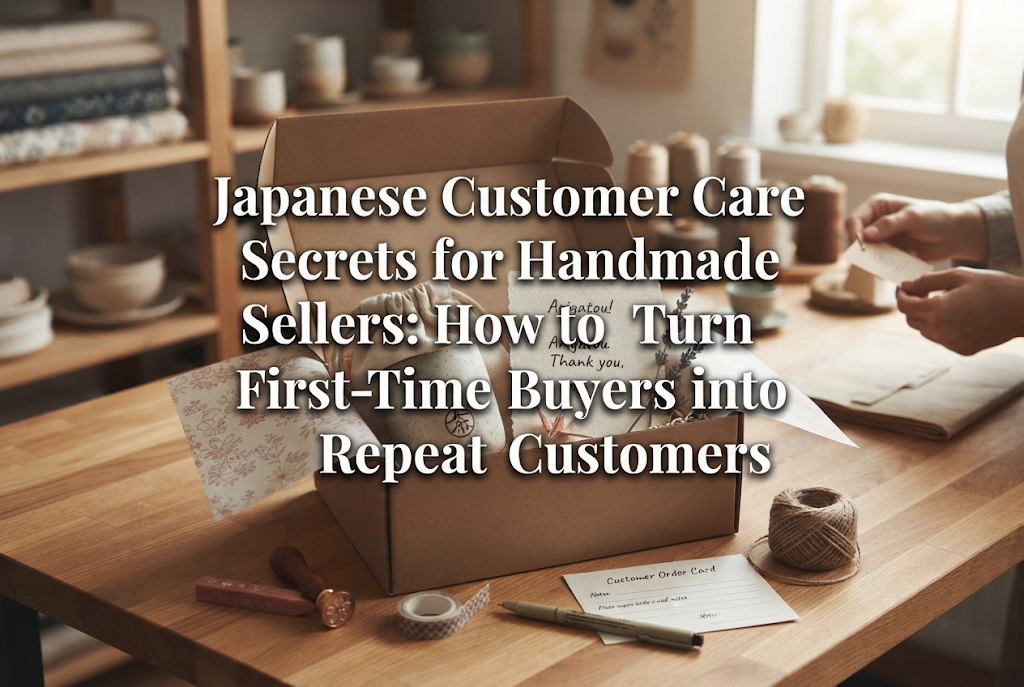
Once your craft is ready, it is time for shipping. Packaging acts as a presentation technique—an embodiment of Japanese omotenashi (thoughtful hospitality)—that sets the stage for a delightful unboxing moment, while serving as essential protection to deliver your item safely.
The top priority in packaging is ensuring the product arrives undamaged. No matter how adorable your wrapping looks, if the item inside is broken, everything is ruined. Use bubble wrap, sturdy boxes, and shock-absorbing materials to safeguard your piece.
Once safety is guaranteed, focus on creating an exciting unboxing experience. Arrange the item so it is the first thing visible upon opening the package. Wrap it beautifully with tissue paper or ribbons that align with your brand image. For instance, if your shop focuses on natural crafts, use organic jute twine and dried flowers; if you specialize in elegant accessories, use high-quality satin ribbons. Keeping a consistent brand aesthetic is key.
Including a thank-you card or a handwritten note inside the package has a dramatic effect on generating repeat buyers. You don't need to write a long essay; even a short message carries immense warmth when handwritten.
Essential details to include on your note:
A mistake beginners make here is assuming that because writing notes takes time, printed cards alone are enough. Printed cards are completely fine, but try adding a quick handwritten touch—like writing their name or adding a final line like: "I hope this piece brings a smile to your day!" That few seconds of effort deeply moves a customer's heart.
For First-Time Buyers:Dear [Customer Name], thank you so much for this wonderful opportunity! I hope [Item Name] adds a touch of joy to your daily life. Please feel free to drop by my gallery anytime again!
For Repeat Customers:Dear [Customer Name], thank you so much for continuing to support [Shop Name]! I am truly thrilled to connect with you again. I hope you enjoy using this new piece as well!
Many artisans wonder whether they should include small free gifts or novelty items. The conclusion is simple: if it is a half-hearted gift, it is better not to include one at all.
Low-quality items that the buyer has no use for, or mass-produced trinkets that have zero connection to your shop's concept, are inappropriate gifts. They end up as useless clutter, creating a negative impression instead of a positive one.
Conditions for a welcomed free gift:
Only offer items of such quality that make buyers think, "Is this really a free gift?" or "I've been wanting to try this!" If you cannot offer it with full confidence, the best choice is not to include one.
No matter how careful you are, the risk of shipping accidents, damaged goods, lost packages, or customer complaints can never be reduced to absolute zero. However, your response during a crisis is the true test of your professionalism. By transforming a disappointing situation into stellar support, you can turn a frustrated customer into a lifelong brand advocate.
If you receive a message saying, "My order arrived broken," or "My package hasn't arrived yet," stay calm and follow these steps:
Even if an accident happened during transit, never shift the blame by saying, "It's the postal service's fault." To the buyer, you are the seller who chose the carrier and dispatched the item. Taking full responsibility with sincerity will ultimately safeguard your shop's credibility.
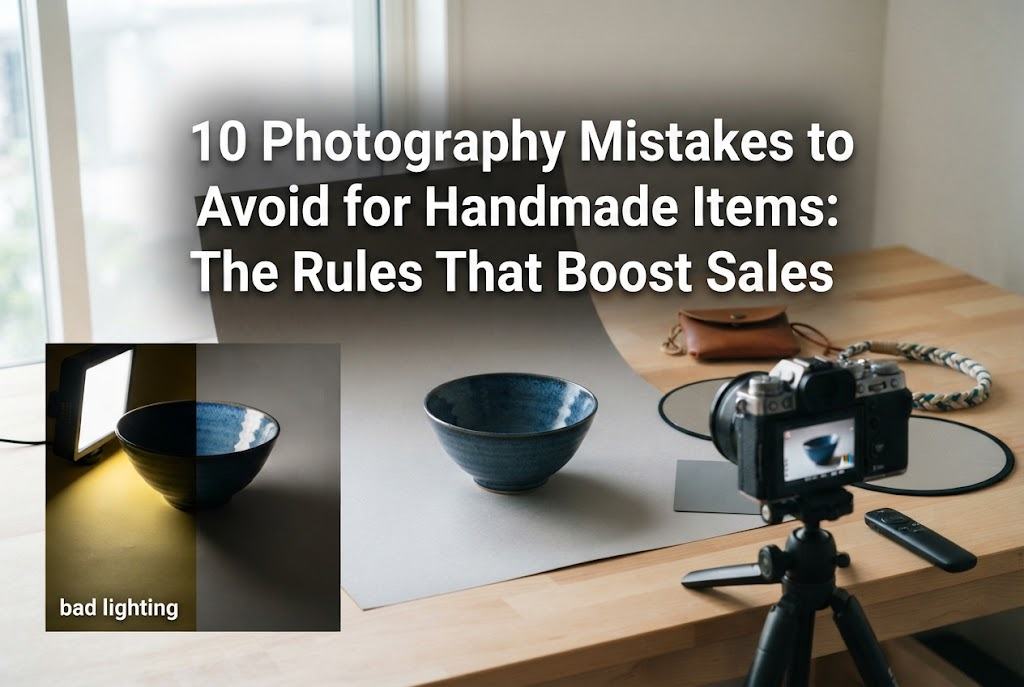
Sometimes complaints arise because "the color looks different from the picture" or "it was smaller than I imagined." These issues usually stem from insufficient item descriptions or photo lighting discrepancies on the product listing.
Instead of dismissing the buyer's feedback, acknowledge it gracefully: "I am deeply sorry that my listing details caused confusion." Then, offer a return or exchange in accordance with your shop policies.
Once the issue is resolved, update your product page to prevent future misunderstandings by adding notices such as: "Colors may vary slightly depending on monitor settings," or including photos showing the item worn or placed beside common objects for scale.
Dear [Customer Name],Thank you for letting me know your package arrived. However, I am truly heartbroken to hear that your item was damaged during shipping. I am so deeply sorry for causing you disappointment when you were looking forward to receiving it.Although it appears to have been impacted during transit, I sincerely apologize that my packaging precautions were insufficient.I would be glad to immediately recreate a new piece for you and ship it out by [Date] at no extra cost to you.Alternatively, if you prefer a refund, I will process a full refund right away. Please let me know which option you would prefer.I am dedicated to making this right for you. Thank you for your patience and understanding.
Do not mark your job as finished the moment you ship the package! Following up after delivery serves as the perfect bridge to your next sale. While many makers stop caring once the package is mailed, artisans who pay attention to post-delivery feedback dominate repeat business.
When a buyer leaves a delivery confirmation or a glowing review, respond promptly. In addition to replying publicly on the review board, sending a private thank-you message is an extra thoughtful step.
Avoid generic templates when responding to reviews. Pick up specific details the customer mentioned—such as "I'm going to wear this to [Event]" or "I will cherish it"—and reply directly to those thoughts.
Example Review Response:"Thank you so much for leaving a review! Hearing that you plan to wear this to [Event] makes my heart burst with joy! I hope it brings you wonderful memories. I will keep creating pieces you'll love, so please feel free to pop back into my shop anytime!"
Popular artisans who excel at repeat customer retention almost always maintain customer logs. You don't need complex software—a simple notebook, spreadsheet, or smartphone memo app works wonderfully.
Information worth recording:
With this record in hand, when a customer places a second order, you can deliver personalized VIP service: "Thank you for always loving my pieces! I see you picked the new blue design this time!" When buyers receive personalized treatment, they feel truly valued and remain loyal to your shop.
In an effort to provide flawless customer service, many beginners fall into counterproductive habits. Check if you are unconsciously making these mistakes:
A classic mistake makers often make is being overly modest. Writing things like, "This is just a handmade item by an amateur, so please forgive any imperfections," or "I am not a professional, so it might be clumsy," on your shop profile or messages is a major taboo.
Showing a lack of confidence to paying customers is disrespectful. It only creates doubt and leaves an impression opposite of professional courtesy. Always maintain pride in your work by stating: "Handcrafted with love, care, and attention to detail."
As you exchange multiple messages, you might feel closer to a customer, leading some sellers to drop professional decorum and speak too casually or act like old friends. Using overly informal slang or overly familiar language is inappropriate for a business owner.
Friendliness is completely different from overfamiliarity. No matter how close you feel, the person on the other end is your customer. Always maintain a polite, respectful foundation while conveying personal warmth.
Driven by the desire to be overly accommodating, some artisans accept endless requests for free alterations or answer messages at 2 AM, eventually burning themselves out.
If you push yourself to mental exhaustion, long-term shop management becomes impossible. Set clear boundaries regarding business hours and service limits (e.g., "Messages answered between 10 AM and 7 PM," or "Design modifications cannot be accepted post-purchase"). Be strong enough to decline impossible requests politely with clear reasons.
In handmade sales, design and crafting skills are undeniably crucial. However, no matter how extraordinary your items are, if your customer service is cold or careless, buyers will not return.
The happiness a buyer feels when purchasing from you, opening your box, and holding your creation in their hands is crafted not just by the item itself, but by the thoughtful care behind it.
Let’s summarize the key customer service strategies:
There is no single magic formula for customer service, but the ultimate golden rule is simple: "If I were buying a handmade piece from someone I admire, how would I love to be treated?" Keep that excitement alive in your mind as you nurture every single connection with your buyers.
Your heartfelt messages and careful packaging will surely touch the hearts of wonderful customers, opening the path to becoming a cherished, successful artisan. Go ahead and share your unique, warm hospitality with confidence!
Until next time, happy crafting! This was Yassy from Crafters!


For example, if you are looking for articles about mizuhiki, try searching for "mizuhiki"; if you are interested in tools, try keywords like "nippers" or "pliers."