How to Use Japanese Bamboo Craft for Home Storage: Embracing Natural Materials in Daily Life
yassy
Crafters!
Hello, this is Yassy from Crafters! (・∀・)
Bamboo craft (takezaiku) has a long and storied history as one of Japan's traditional crafts. You might find yourself thinking, "I don't have a traditional Japanese-style room (washitsu), so it would look out of place in my home," or "Wouldn't bamboo clash with modern Western decor?" In reality, bamboo craft fits exceptionally well with modern Western-style rooms, Scandinavian interiors, and natural-themed living spaces.
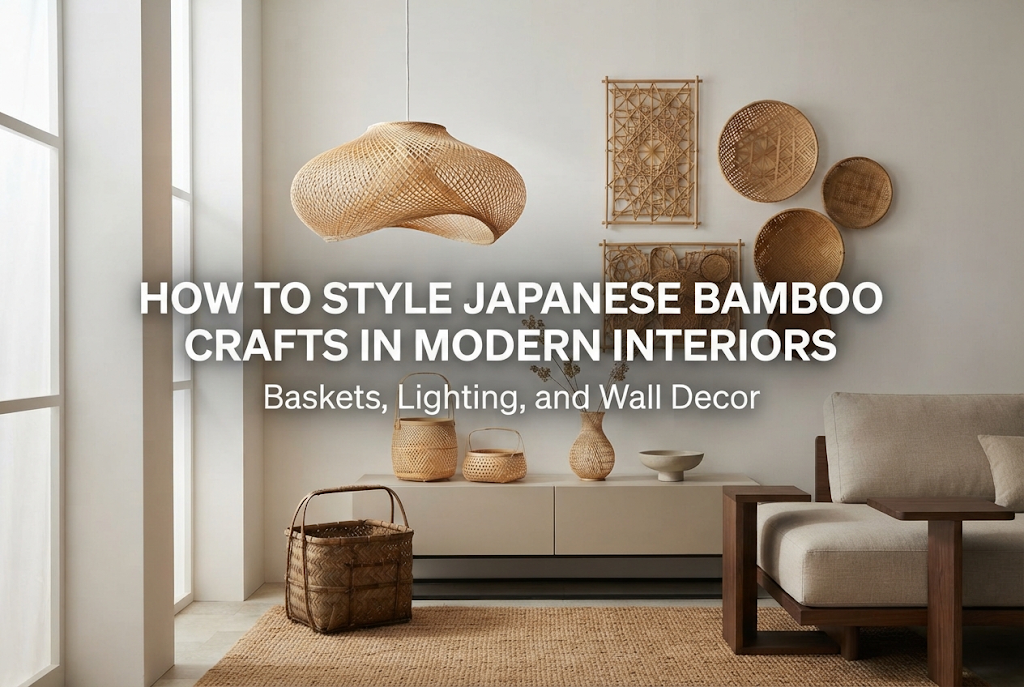
Whether it is an exquisitely woven basket, a pendant lamp casting soft ambient light, or a statement wall piece, introducing even a single bamboo item adds organic warmth and elevates your living space. In this guide, I will share stylish ways to incorporate Japanese bamboo crafts into your everyday interior, how to choose the right pieces, and essential care tips to keep them looking beautiful for years to come.
There are clear reasons why bamboo crafts seamlessly blend not only into traditional tatami rooms but also into modern contemporary homes. Here are the unique qualities that make bamboo such an appealing material.
1. Balance of Natural Lightness and Incredible StrengthBamboo grows remarkably fast, making it recognized worldwide as a sustainable, low-impact material. It possesses both flexibility and resilient strength while remaining remarkably lightweight. This makes it ideal for interior accents that you might move around frequently or hang on a wall.
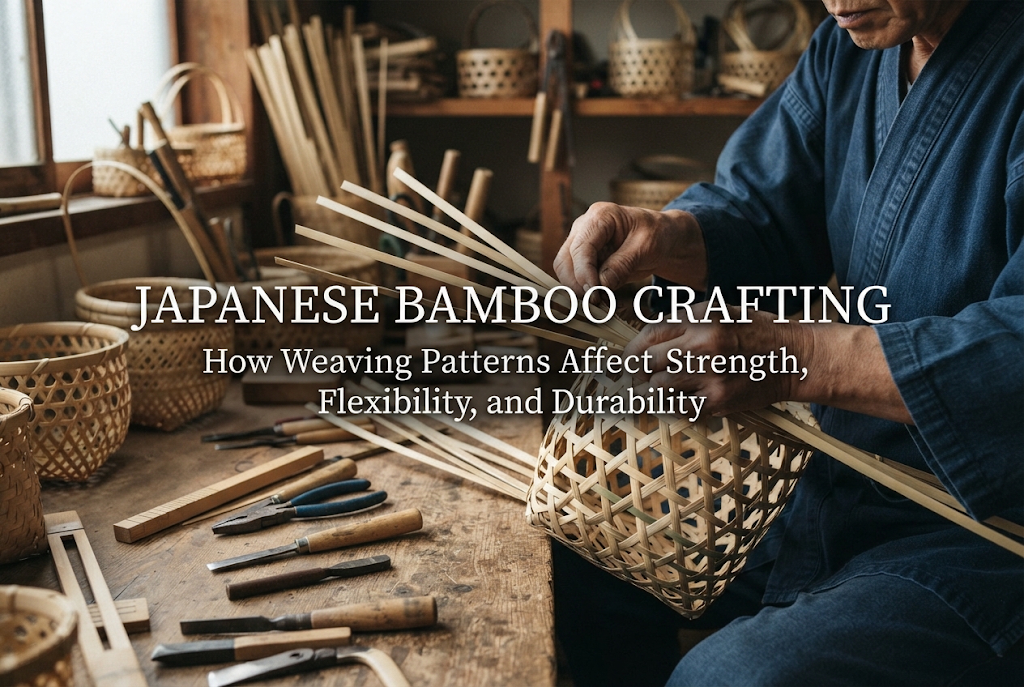
2. Geometric Beauty of Woven Patterns and the Play of Light and ShadowJapanese bamboo artisans use numerous traditional weaving techniques, such as yotsume-ami (four-point weave), mutsume-ami (six-point weave), ajiro-ami (twill weave), and kikuzoko-ami (chrysanthemum base weave). When sunlight or interior lighting passes through these intricate weaves, it casts geometric shadows across the room—a magical ambiance that mass-produced plastic or metal decor simply cannot replicate.
3. The Charm of Aging Over TimeFreshly made bamboo craft displays a vibrant pale green (aodake) or a crisp, pale natural tone (shiradake). Over years and decades of daily use, it gradually transforms into a warm amber and rich caramel shade. Watching your piece evolve alongside your lifestyle into a one-of-a-kind vintage treasure is one of the greatest joys of owning bamboo crafts.
Bamboo crafts come in a wide variety of shapes and functions. Here are practical and stylish ways to integrate them into different spaces around your home.
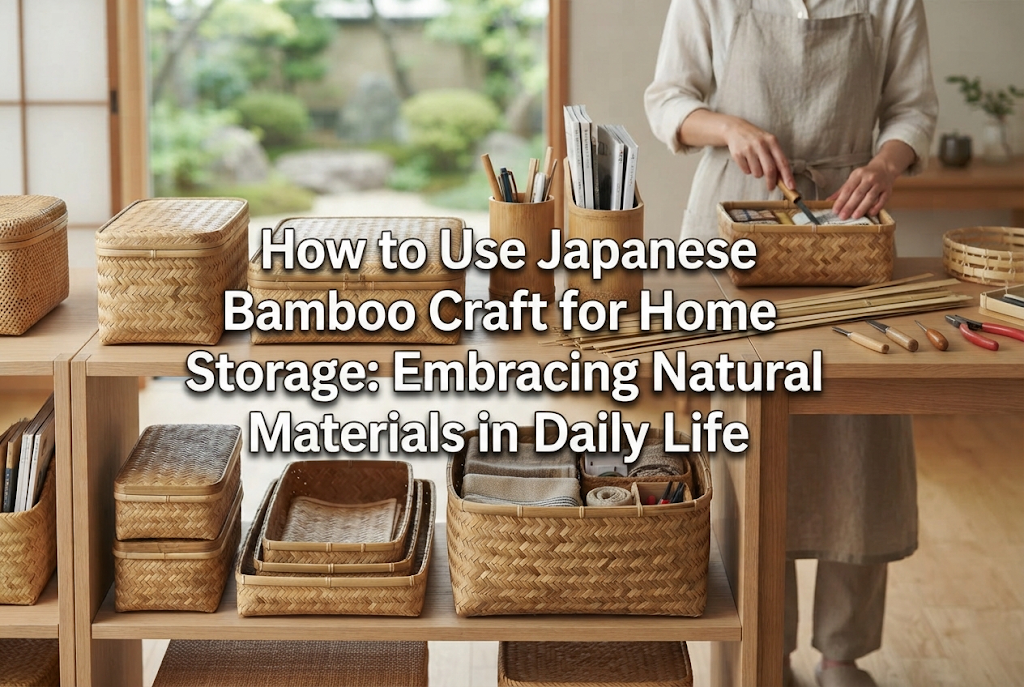
Using woven bamboo baskets as functional display storage is the simplest and most effective approach. Replacing plastic organizer bins with bamboo baskets instantly hides everyday clutter while adding texture.
Try placing a deep, generously sized bamboo basket next to your living room sofa to hold throws, extra cushions, or textiles. The wide opening makes it easy to casually tuck items inside while still looking tidy and inviting.
In the kitchen or dining area, shallow, breathable bamboo trays (zaru) shine. Use them to store root vegetables like onions and potatoes, or set freshly baked bread and fruit on the table. It immediately brings an effortless, cafe-like charm to your counter.
Deep bamboo baskets also make wonderful plant pot covers. Concealing a standard plastic planter inside a woven basket creates a refreshing, relaxing focal point where lush green foliage meets handcrafted natural texture.
Bamboo lampshades are among the best ways to enjoy the dynamic contrast of light and shadow.
Try hanging a woven bamboo pendant light above your dining table or in the center of your living room. When switched on, light filters through the fine bamboo weave, projecting delicate geometric patterns across the walls and ceiling. Choosing a warm, soft-white or amber bulb rather than a cool daylight bulb enhances the natural warmth of the bamboo, creating a soothing and cozy atmosphere.
Small bamboo table lamps or floor lamps are equally effective on a bedside table or in a room corner. They soften harsh direct glare, functioning as gentle ambient lighting that is easy on the eyes before sleep.
If you have large, plain white walls that feel a bit sparse, hanging bamboo crafts adds dimensional interest.
A popular styling approach is grouping two or three flat-woven bamboo trays or round plates of varying sizes together on a wall. Much like fabric panels in Scandinavian decor, these baskets act as textured, three-dimensional art pieces.
Wall-mounted bamboo vases or simple bamboo cylinders for single flower stems (ichirinzashi) also add quiet elegance. Adding a seasonal cut bloom, fresh greenery, or dried flowers brings a refined touch to compact areas like entryways, hallways, and powder rooms.
If large furniture or lighting feels like too big a commitment, starting with tabletop accessories is an approachable first step.
Using woven bamboo coasters for your daily coffee or tea ritual brings an intentional, mindful feel to the table. Placing a rectangular bamboo tray on a dresser or bathroom vanity keeps perfume bottles, jewelry, and keys neatly contained.
On a work desk, a pen holder or remote control organizer woven from slender bamboo strips softens an environment that can easily feel cold and sterile from electronics and papers.
When introducing bamboo crafts for the first time, people often encounter a few common challenges. Here is how to keep your space balanced and cohesive.
A frequent concern is that bringing home a bamboo craft item might make the space feel overly traditional or dated. The secret to avoiding this is mixing materials.
Instead of clustering bamboo items together, pair them with modern elements like clear glass, steel, brass, or natural textiles such as linen and cotton. For example, place clear glassware or a sleek metal bud vase on top of a bamboo tray, or line a woven basket with plain linen fabric. Pairing bamboo with industrial textures or clean modern fabrics shifts the aesthetic from purely traditional to a refined "Japanordic," modern Zen, or Chinoiserie-inspired style.
It is also important to match the tone of the bamboo with your existing wood furniture. If your floors and furniture are light natural woods like oak, opt for unlacquered pale bamboo. If your room features dark walnut furniture or black accents, smoked bamboo (kun'entake) or dark lacquer-finished bamboo will integrate smoothly into the overall color scheme.
Because bamboo crafts are handwoven with distinct physical presence, they tend to carry more visual weight than flat items. When buying online, always measure the width, depth, and height of your intended display area beforehand. Marking out the dimensions with masking tape on a table or shelf helps you visualize the scale accurately.
Selecting the right weave density is equally important:
Bamboo is a living natural material. Improper maintenance or placement can lead to mold or cracking. Following proper care keeps your pieces looking beautiful over the long term.
Dust can settle into the small crevices of intricate bamboo weaves. Regular damp wiping is not necessary for routine maintenance.
Use a soft-bristled clothes brush, a feather duster, or a microfiber duster to gently sweep dust along the direction of the weave. For tight gaps, a dry, unused toothbrush or a clean art paintbrush works well to clear out fine particles.
Kitchen bamboo sieves and tabletop fruit baskets occasionally need washing to remove food residue or oils. When washing is necessary, follow these steps to protect the fibers:
There are two critical mistakes to avoid: First, never dry bamboo in direct sunlight. Intense solar heat strips moisture too quickly, causing the material to warp, crack, or split. Second, never store bamboo while it is still damp in a poorly ventilated space, as dark mildew can develop rapidly. Always ensure it is completely dry in the shade before putting it away.
Be mindful of where your bamboo items sit in your home. Avoid placing them directly in the airflow of air conditioners or space heaters, as rapid temperature shifts and extreme dryness cause cracking. Likewise, placing bamboo right next to a humidifier or in a damp, poorly ventilated closet risks mold growth. During humid seasons, maintaining good airflow using a circulator fan helps protect your natural crafts.
Beyond buying finished artisan pieces, working with bamboo as a maker offers a wonderful creative outlet.
Traditional bamboo crafting requires felling, splitting, and shaving bamboo into paper-thin strips using specialized knives—a demanding skill for beginners. A great way to begin is by skipping those heavy preparation steps.
Many craft suppliers and online shops carry pre-cut, uniformly shaved bamboo strips (takehigo) as well as beginner weaving kits. Starting with a kit to weave a simple yotsume-ami coaster or a small square tray lets you safely experience the tactile pleasure of bamboo's flexibility without needing heavy-duty tools.
Another approachable project is customizing plain, undecorated bamboo baskets. Wrapping leather scraps around handles with neat hand-stitching, or sewing a custom inner lining from patterned fabric, quickly turns an everyday basket into a personalized, one-of-a-kind home accessory.
If I were introducing a new bamboo piece into my own living room today, I would start with a simple, shallow bamboo tray right in the center of the main coffee table.
Instead of letting clutter accumulate on it, I would place a clear glass bud vase with a single seasonal stem, a minimalist scented candle, and a small brass dish next to each other on the tray. The rustic, grounded texture of the woven bamboo, the clarity of the glass, the refined gleam of metal, and the modern form of the candle harmonize effortlessly to form an oasis of calm and warmth in the room.
In the entryway, I also love mounting a small wall-hanging bamboo vase with a single wild flower or an evergreen branch gathered on a walk. Without buying expensive new furniture, placing just one thoughtfully crafted bamboo accent gives the entire entryway a crisp, dignified feel!
Bamboo craft brings together Japan's time-honored artisanal techniques with an incredible natural material. While it might seem daunting to style at first, keeping a few key concepts in mind—using baskets for visual storage, enjoying the shadows cast by woven lighting, pairing bamboo with contrasting modern materials, and maintaining good airflow—allows bamboo to enrich virtually any room setting.
I hope you enjoy exploring the warmth of bamboo crafts in your own interior, and watch them develop that distinctive, rich amber patina over time!
If you enjoyed this article, sharing it with your creative friends on social media means the world to me!
See you in the next post! This was Yassy from Crafters!
For example, if you are looking for articles about mizuhiki, try searching for "mizuhiki"; if you are interested in tools, try keywords like "nippers" or "pliers."