Get Found in Search! The Golden Rules of Writing Handmade Product Titles That Sell & Essential SEO Strategies
yassy
Crafters!

Hello, fellow crafters! It’s Yassy from Crafters! (・∀・)
The moment you think, "I want to share the pieces I poured my heart into, bring joy to someone, and create an online shop full of my own unique worldview," you have already taken your first step as a craft artist.
Personally, I absolutely love making handmade items, discovering wonderful creations, and shopping for my own favorite pieces! Having connected with countless works, created crafts myself, and studied numerous creators' shops over the years, I can say with confidence: launching your own brand and opening an online shop is far easier than you might imagine—and above all, it is an immensely thrilling experience.
However, simply listing your items on a screen won't make them sell. Running a successful handmade shop requires following the right steps and preparing thoroughly. I have seen many beginners jump right in without a plan, only to get discouraged and think, "Nothing is selling at all…"
That is such a heartbreaking waste of talent. To make sure your hard work bears fruit, I have put together this complete roadmap for launching your handmade shop! In this guide, drawing from my own experience, I’ll share everything you need to know to avoid common beginner pitfalls and build a brand that people truly love. By the time you finish reading, you'll know exactly what to do starting today!
When starting a handmade business, the absolute first and most important task is deciding your brand concept. Many beginners make the mistake of rushing out to buy materials or registering an account on a sales platform first. But if your core concept is shaky, even the most beautifully made pieces will fail to resonate with customers. You must start by building a rock-solid foundation for your brand.
It’s completely natural to want as many people as possible to buy your creations. But if your target audience is simply "all women," your shop ends up generic and memorable to no one. Today’s handmade market is overflowing with stunning items. To make buyers stop and pick yours, you must design and speak directly to one specific person.
When deciding on your target, build a detailed customer persona. Picture their age, occupation, how they spend weekends, what style of clothing they wear, and which magazines or media they enjoy. For example: "A woman in her early 30s with a young toddler, who loves minimalist, natural linen clothing and enjoys quiet cafe visits on weekends." Once your target is crystal clear, everything else naturally falls into place—from the aesthetic of your pieces to your photography style and the tone of voice you use on social media. Narrowing your focus isn't shutting customers out; it is the most powerful strategy for connecting deeply with those who will truly appreciate your work.
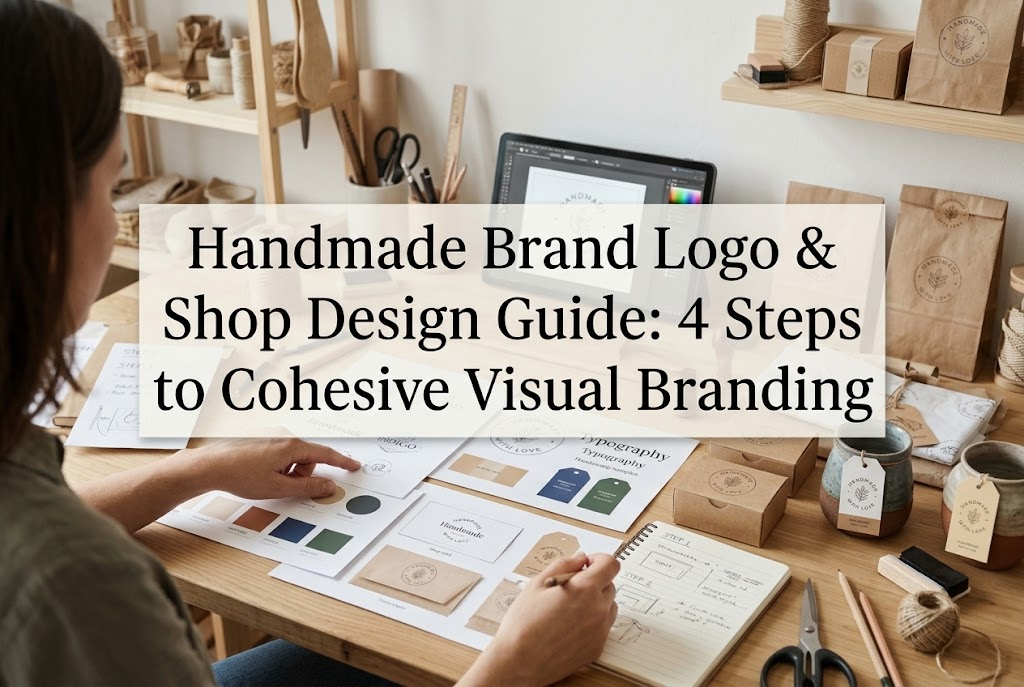
Maintaining a cohesive visual identity across your entire shop is essential for elevating perceived brand value. A disjointed shop will lose potential buyers who visited just for one item. Here are three golden rules I always follow to maintain a unified aesthetic:
Adhering to these three simple rules will instantly give your shop a polished, professional atmosphere.
The most common misstep for beginners is offering a mishmash of unrelated craft genres in a single storefront—selling resin earrings alongside hand-knitted tote bags and embroidered pouches. For passionate makers, it’s tempting to think, "I can make this, and I love making that too!" But from a buyer's perspective, it’s confusing. It becomes impossible to tell what you specialize in, diluting your sense of craftsmanship.
The solution is simple: Pick one core hero item, and build all other products around it as variations. Even if you love crafting in multiple mediums, focus exclusively on one category when launching your brand. For instance, specializing in "botanical resin accessories featuring dried fruits and real flowers" allows you to gain instant recognition as the go-to shop for that exact style. Having the discipline to narrow your product line is your first milestone to success.
Once your concept is established, it's time to choose where to showcase your work. In the online space, options broadly split into two types: handmade marketplace platforms and standalone e-commerce storefronts. You should pick the platform that matches your production pace and your brand's growth stage.
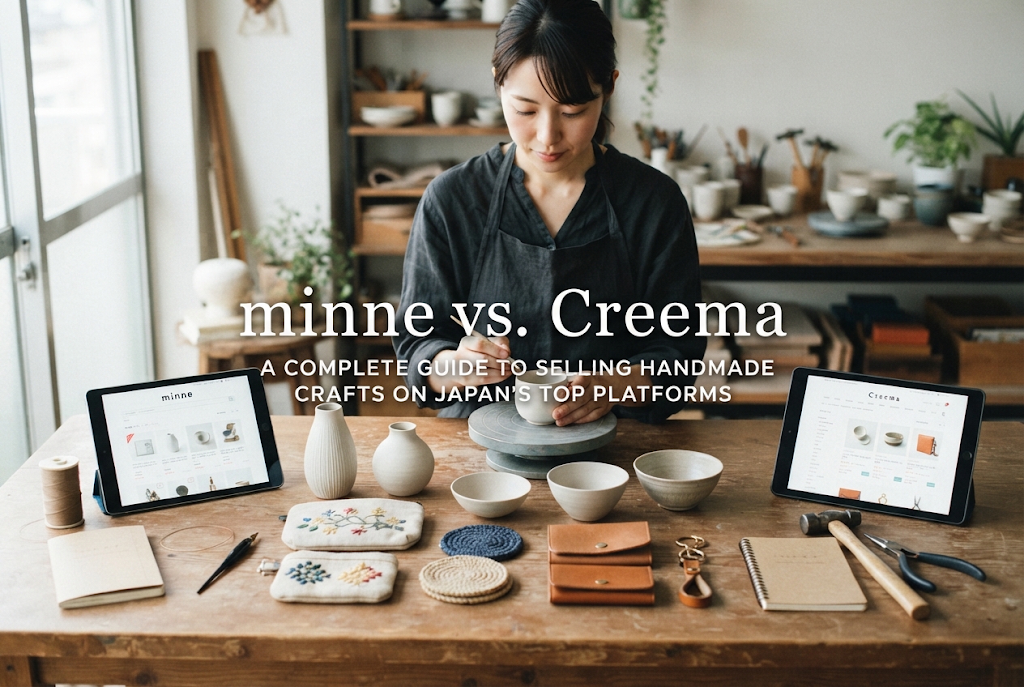
For beginners starting out in Japan's handmade craft scene, major platforms like minne and Creema are undoubtedly the best starting points. Both boast immense built-in web traffic, giving you a strong chance of being discovered even when you have zero social media following.
minne has a massive user base, with an especially strong following among women in their 20s and 30s. Cute designs, trend-conscious fashion jewelry, affordable everyday crafts, and baby or kids' items perform exceptionally well here. The user interface is intuitive and easy to navigate, making it a favorite for casual shoppers who love handmade charm.
Creema, on the other hand, attracts a slightly more mature audience in their 30s to 50s who look for authentic, heirloom-quality craftsmanship. It is an ideal showcase for sophisticated ceramics, genuine leather goods, fine natural gemstone jewelry, and artisanal interior decor. Price points on Creema generally lean higher than minne, making it perfect for premium, labor-intensive works. If I were starting today, I would list items on both platforms initially to see which audience responds better to my style. Selling on both concurrently is completely fine and a smart way to test the waters.
Once you are comfortable with marketplaces—or if you want total freedom to craft an immersive brand experience from day one—e-commerce platforms like BASE or STORES (popular store-building services in Japan, similar to Shopify) are great options. These services let you use custom domains and design your storefront with complete creative freedom, capturing 100% of your brand identity. Their transaction fees are also lower than marketplace commissions, which boosts your profit margins as sales grow.
However, standalone stores come with a major catch: they lack built-in marketplace search traffic. Simply setting up a shop won’t bring any visitors if nobody knows it exists. The ideal time to launch a standalone shop is after you have built an engaged audience on platforms like Instagram that consistently buys whenever you announce a restock. Beginners should first build their track record and fan base on minne or Creema, then gradually guide loyal patrons to their own independent storefront.
Complementing your online store with in-person craft markets, handmade festivals, and boutique consignment retail will dramatically accelerate your brand's growth. The greatest advantage of face-to-face selling is hearing unfiltered reactions directly from customers: comments like "This is even cuter in person!" or "I wonder if this is too heavy?" provide invaluable clues for improving your online listings.
Whenever you participate in events or consignment, always build a seamless bridge back to your online shop. Print a QR code leading to your digital shop on every price tag, business card, and thank-you slip. When someone falls in love with your work at a market, make it effortless for them to order from you again online once they return home. Blending physical and digital touchpoints builds incredible trust.
When shopping online, buyers cannot touch or examine your work in person. That means they have only two clues to judge quality: your photos and your product descriptions. No matter how exquisite your craftsmanship is, poor photography will keep it from selling. Furthermore, setting the right price—another common stumbling block—requires a disciplined mathematical formula.
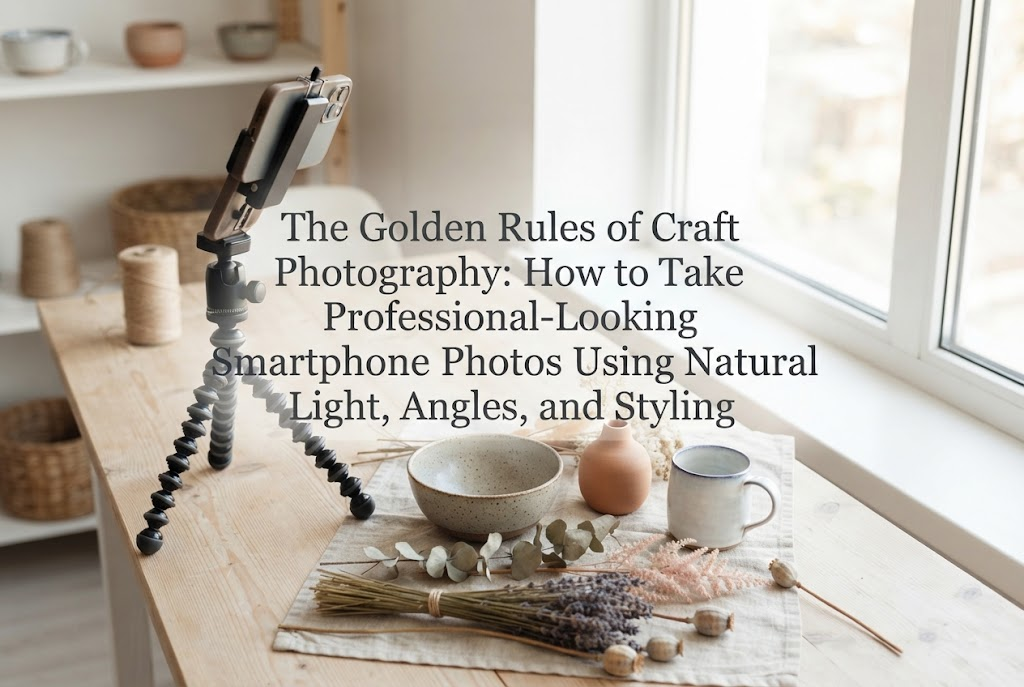
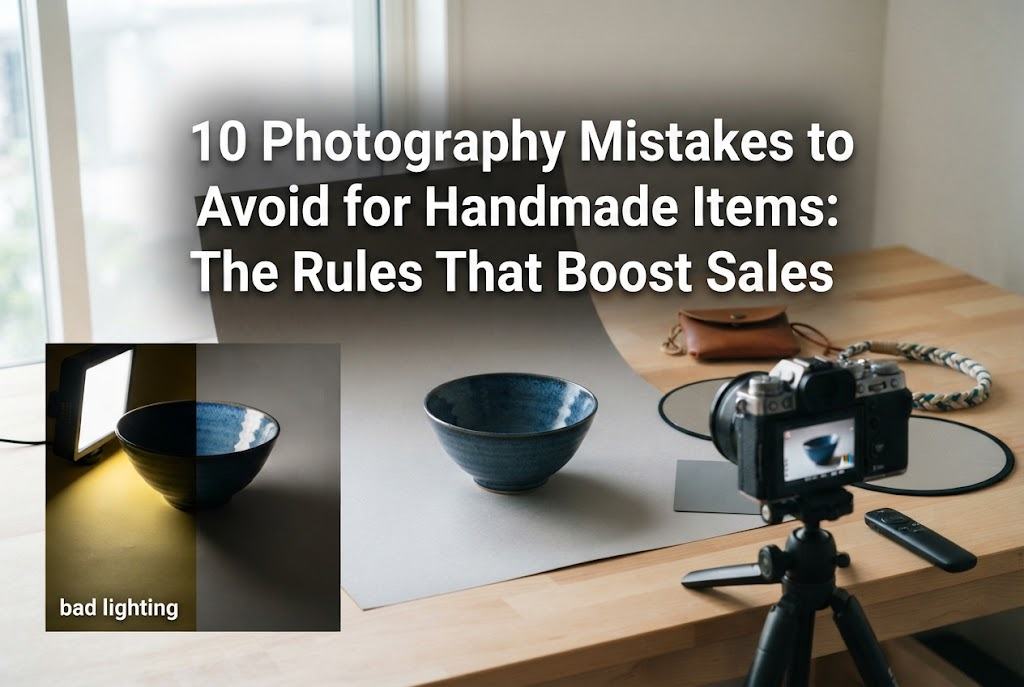
You do not need to invest in an expensive DSLR camera. Modern smartphones take stunning, professional-grade photos. What matters most is not camera specs, but light. The golden rule of craft photography is to shoot in bright, indirect natural light. Taking photos directly under fluorescent ceiling lights produces harsh shadows and unnatural yellowish tints that diminish your piece's appeal. Instead, shoot near a window draped with sheer lace curtains between mid-morning and noon to capture soft, flattering light.
Pour your full focus into the very first image (your thumbnail). When your item appears in search results, it has only a split second to grab attention, or shoppers will scroll right past. Make sure the entire piece is visible and immediately conveys how it looks in use. Don't be stingy with image quantity, either: provide 5 to 8 photos minimum, including wide shots, macro close-ups of details and backsides, lifestyle or worn shots, and a comparison photo showing accurate scale. Your goal is to answer every unasked question before the buyer even has to wonder.
The most devastating mistake rookie makers make is pricing their work far too low out of self-doubt. Setting a price that only covers material costs plus a few hundred yen will trap you in an exhausting cycle: the more you sell, the busier you get, yet your bank account stays empty. Crafting stops being fun when you are chronically overworked and underpaid. Remember, you are running a brand, not handing out hobby favors. Learn proper pricing right now.
The foundational pricing formula is:
Retail Price = (Material Costs + Production Time × Hourly Wage) ÷ 0.7
First, pay yourself a legitimate hourly rate (at minimum, above local minimum wage). Then ensure that even after deducting packaging materials, utilities, and platform transaction fees (roughly 10% to 15%), your brand retains a healthy profit margin. As a general benchmark, a sustainable retail price should be roughly 3 to 5 times your raw material and packaging costs. Underpricing undermines the perceived value of handmade craftsmanship. Charge what your work is worth, and deliver quality that justifies every cent.
Your listing titles and descriptions aren't just technical spec sheets; they serve as your SEO keywords and your digital sales representative.
In your title, incorporate specific terms customers actually type into search bars. Rather than a vague title like "Spring Resin Earrings," try: "[Spring Limited] Cherry Blossom Hoop Earrings / Hypoallergenic Titanium Posts / Gift for Her, Birthday Present." Include color, shape, materials, and occasion keywords naturally.
At the top of your description, highlight the emotional benefit of using your piece: "These lightweight earrings brighten your face with a subtle petal glow, adding an effortless touch of romance to your everyday wardrobe." Follow that with clean, bulleted specifics: exact dimensions (length × width in centimeters/inches), materials, weight, care instructions, processing times, and shipping notices. Clear, transparent descriptions make hitting "Add to Cart" an easy decision.
Running an active handmade shop means stepping up as an independent business owner. Knowing the legal and tax regulations protects both you and your patrons.
In Japan, selling goods online requires displaying the seller's legal name, address, and phone number under the Specified Commercial Transactions Act (Tokutei Shōtorihiki Hō). For crafters working from home, publishing personal addresses and phone numbers online raises understandable privacy concerns.
The best way to resolve this is by using virtual office services or taking advantage of platform privacy features. Platforms like BASE, STORES, and minne allow sellers to display the platform operator's corporate contact details instead of personal home addresses. If you run an independent website, subscribing to an affordable virtual office (often available for a low monthly fee) provides a legitimate commercial address and phone forwarding service, keeping your home life safe.
Crafters often wonder when they should submit a business commencement notification (Kaigyō-todoke) to the tax office. In short, the best time is the moment you open your shop with the clear intention of generating ongoing profit.
Filing comes with significant advantages, most notably the ability to file for Blue Return (Aoiro Shinkoku) tax benefits, which can grant income deductions of up to 650,000 yen in Japan. It also lets you open a dedicated business bank account under your trade or brand name, allowing clean separation between personal household funds and business cash flow. Registering solidifies your mindset as a dedicated professional artist, accelerating your brand's growth.
As your handmade income grows, filing a tax return (Kakutei Shinkoku) becomes mandatory. Under Japanese tax rules, side-hustle crafters with existing employment must file if their net annual profit exceeds 200,000 yen, while full-time makers or homemakers must file if net profit exceeds 480,000 yen. Remember, this threshold applies to profit (Revenue minus Expenses), not gross sales.
To calculate taxes accurately and optimize deductions, you need a firm grasp of what counts as a deductible business expense. In a handmade business, this includes:
Always keep all receipts and invoices organized, and cultivate the habit of logging transactions regularly using accounting software like freee or Money Forward. Solid financial management is the backbone of an enduring craft brand.
Once your shop is stocked and ready, you enter the marketing phase. Simply opening your doors won't cause visitors to magically stumble in; you must actively share your story and gather your tribe.
Instagram is the single most indispensable marketing platform for handmade makers. The crucial strategy here is to begin posting well before your shop officially launches. If you wait until launch day to post "We're open!" to zero followers, nobody will hear you.
During your preparation stage, share prototypes, work-in-progress reels, material selection trips, and the philosophy behind your brand in your feed and Stories. Showing the process behind the finished product invites people to become emotionally invested in your journey. By the time your collection drops, casual viewers have turned into eager pre-customers waiting for launch day. Behind-the-scenes content makes for the most engaging storytelling.
Maintain an aesthetically consistent grid, and make sure your profile bio clearly states who your brand is for, alongside your shop link. Short video Reels showing satisfying crafting techniques have huge organic reach, making them the most effective tool for attracting new eyes.
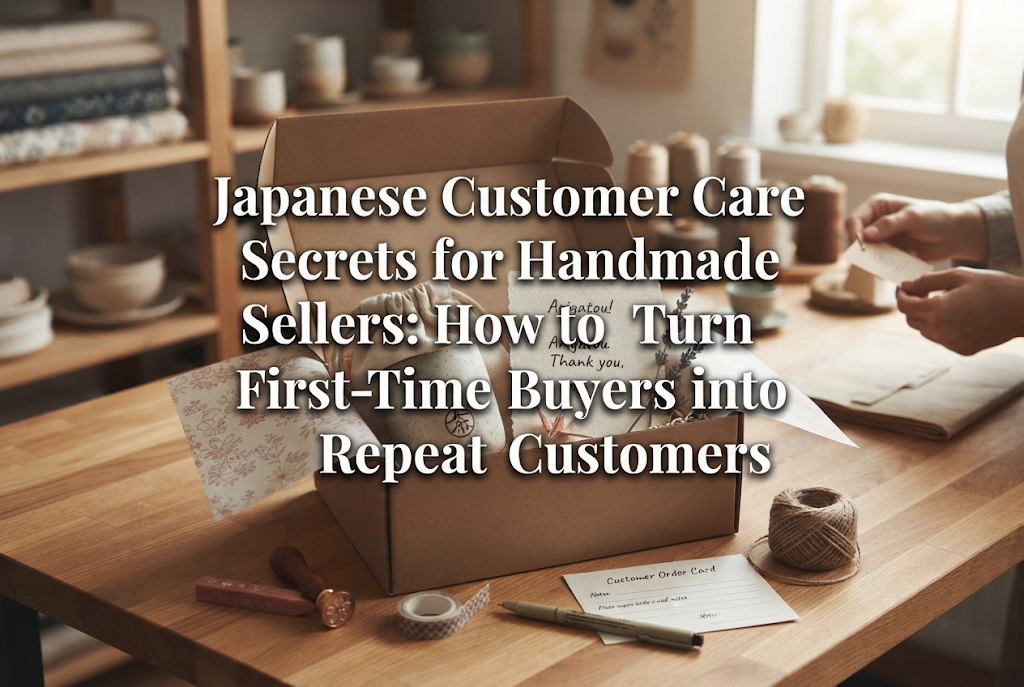
When selling online, the sole moment of physical contact between your brand and your buyer happens when they open their parcel. The emotion experienced during unboxing determines whether someone remains a one-time buyer or becomes a devoted repeat collector.
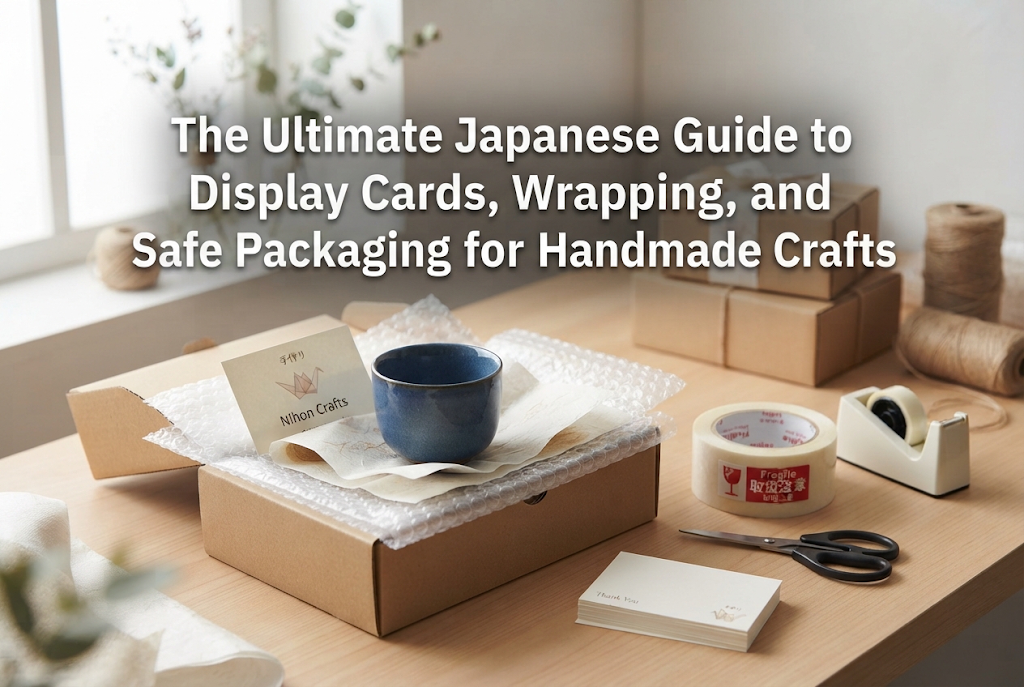
Never treat packaging as an afterthought. Beyond ensuring items arrive undamaged, design the unwrapping experience so buyers gasp with delight. Wrap pieces in tissue paper that mirrors your brand colors, and finish with a custom wax seal, branded sticker, or satin ribbon.
Most importantly, always include a handwritten thank-you note and a printed shop card. A warm, personal note addressing the customer by name resonates deeply. On your shop card, print QR codes linking to your Instagram and storefront, along with an exclusive thank-you discount code for their next order. You will be amazed at how effectively this turns first-time shoppers into lifelong supporters.
Every maker experiences quiet spells where orders don't seem to arrive. Giving up during these times is the biggest mistake you can make. When sales stall, there is always a clear, diagnosable reason. Instead of worrying aimlessly, review these three checkpoints in order:
Opening your handmade shop is not the finish line; it is the opening chapter of a wonderful creative journey. Running your own brand, delivering pieces crafted by your own hands, and receiving heartfelt gratitude while earning a living is an experience of incomparable fulfillment.
Let’s recap our roadmap:
Everyone begins as an inexperienced newcomer. When I launched my very first shop, my heart was racing, and I kept refreshing my dashboard wondering if anyone would ever order. You don’t have to get everything 100% right on day one. Learn on the go, reshoot your photos, and refine your copy as you grow. What matters most is your genuine love for creating and your creative passion. When shared intentionally, that passion will always find the people who cherish your craft.
Step forward with pride and share your voice with the world. I'm cheering you on every step of the way as your handmade shop takes flight!
Until next time, happy crafting! This was Yassy from Crafters!

For example, if you are looking for articles about mizuhiki, try searching for "mizuhiki"; if you are interested in tools, try keywords like "nippers" or "pliers."
