How to Make DIY Photography Backdrop Boards: Pro-Level Backgrounds and Styling Techniques for Handmade Crafts
yassy
Crafters!
Hello, everyone! This is Yassy from Crafters! (・∀・)
Have you listed your lovingly created handmade items on online marketplaces or your own web shop, only to find that they aren't selling at all?
When days pass without even getting a single favorite or page view, it is completely understandable to lose confidence and wonder, "Maybe my creations just aren't appealing…"
As someone who absolutely loves creating, viewing, and buying handmade crafts, I have interacted with countess products and shops from both a buyer's and seller's perspective. Based on that experience, I can tell you with absolute certainty: The reason your items aren't selling is not a lack of skill or talent. The real cause is simply that you haven't learned the basic rules of selling yet.
No matter how wonderful a creation is, it will never sell unless it is presented in a way that reaches the buyer. Conversely, once you identify the exact reasons for poor sales and implement the proper fixes, your items will definitely start selling.
In this guide, I will fully break down the 9 fatal mistakes that stop handmade items from selling, along with concrete techniques to turn things around!
The most common misconception in selling handmade crafts is assuming that "if you make something good, it will naturally sell."
To put it bluntly: no matter how much time and care you put into crafting a item, if its value is not accurately communicated to potential buyers, it might as well not exist.
Shopping on online platforms or handmade marketplaces is very different from shopping in a physical store. Customers cannot pick up the product, inspect it in real life, or try it on. The only information they have to rely on is the photos and text you provide.
This means that 90% of unsold items suffer not from poor product quality, but from poor presentation in photography and description. Focusing solely on honing your crafting techniques won't increase your sales if you ignore how you communicate. Mastering the art of presentation should be your top priority.
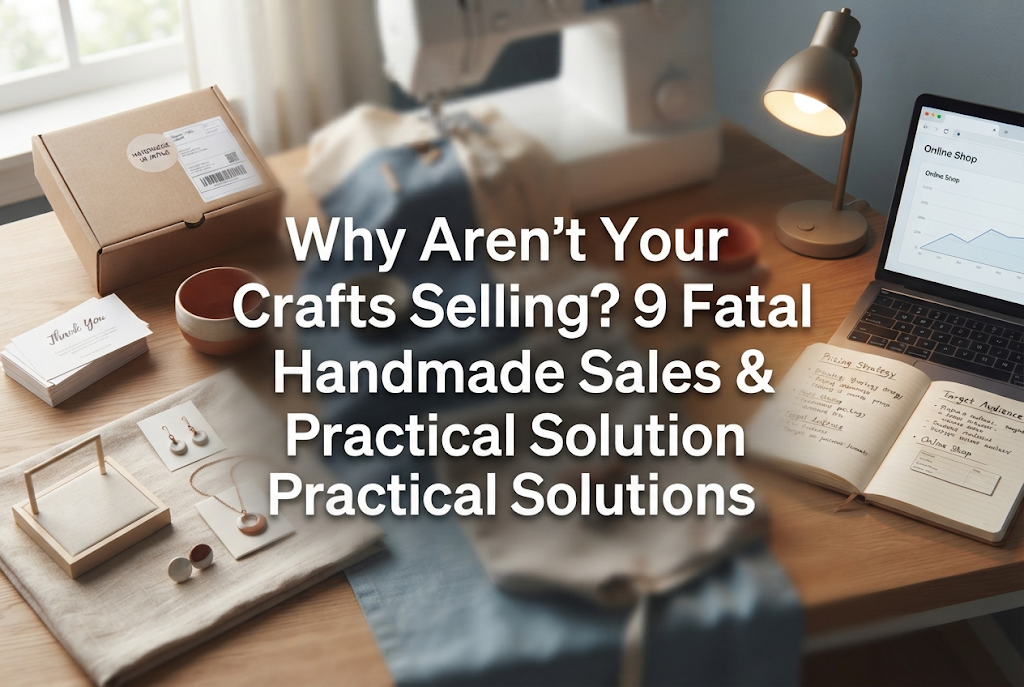
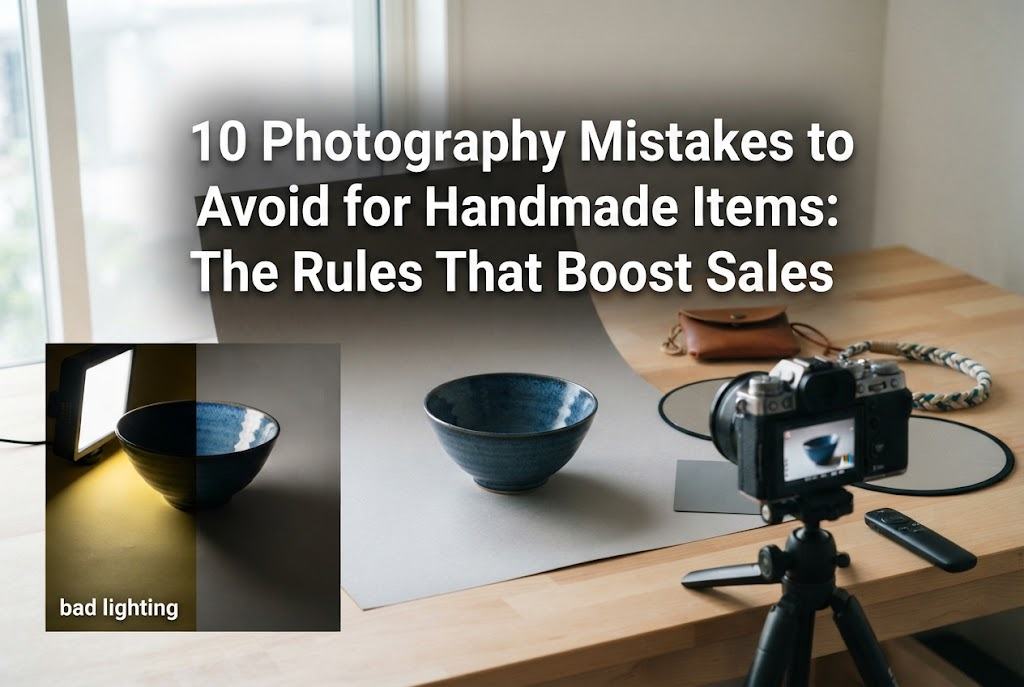
Without a doubt, the number one reason items fail to sell is low photography quality. In online craft sales, product photos account for 80% of your sales performance.
When customers scroll through search results, they decide whether to click on your listing within 0.5 seconds. If your photo fails to captivate them instantly, they won't even stay to read your description.
Taking photos directly under indoor lighting resulting in dark images, or leaving the craft blurry while the background is in focus, are major mistakes. Dark photos fail to show the true colors of your work, while out-of-focus photos convey a lack of professionalism that makes buyers feel uneasy.
Customers gauge quality by examining the texture in photos. Recognizing that dim or grainy photos can cut the perceived value of your item in half is crucial.
Are your home's flooring, table surface, or a cluttered room visible in your background? Are harsh personal shadows falling across your piece?
Visible domestic elements instantly destroy the special worldview that handmade items embody. Buyers are looking for unique items that brighten their daily lives; few people want to pay money for product photos that expose mundane household clutter.
Close-up photos of the item alone are not enough. If buyers cannot grasp the actual size, they will hesitate. For accessories, show how big they look when worn on an ear; for bags, show how they fit on a shoulder or if an A4 folder fits inside; for home decor, show how the piece balances within a room setting.
When buyers cannot visualize wearing or using an item, they worry about making a mistake and abandon the purchase.
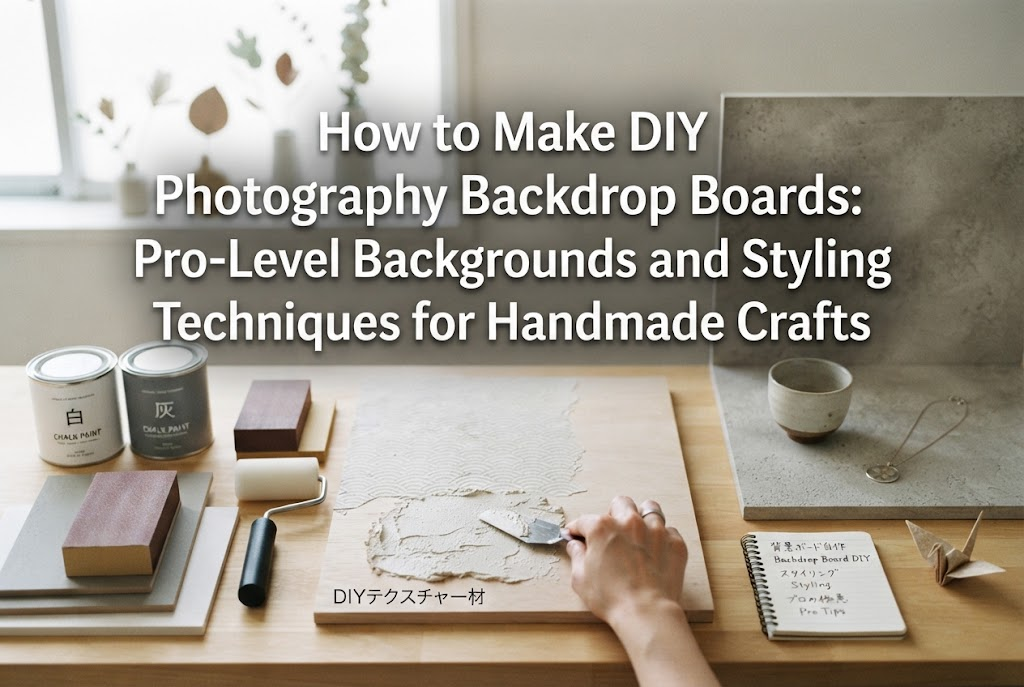
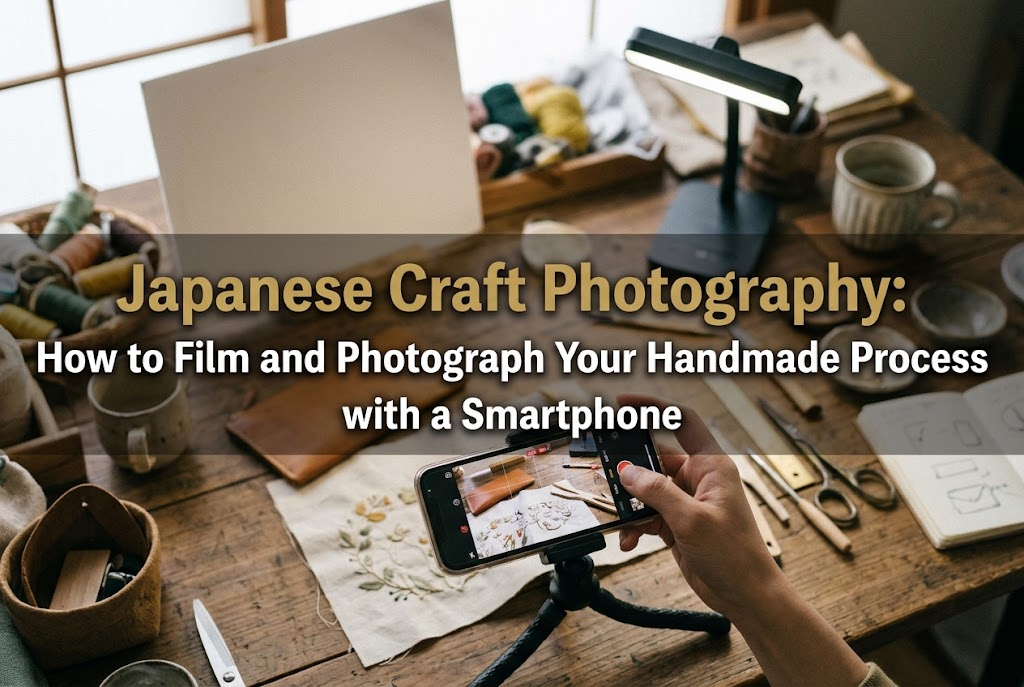
You don't need an expensive DSLR camera. You can achieve professional-looking results even with a smartphone by following these core practices:
Speaking as a craft shopper myself, I will never buy an item with only one or two photos, no matter how great the design looks. The number and quality of your photos reflect your hospitality as a maker.
A classic trap that struggling sellers fall into is thinking: "I want as many people to buy my work as possible, so I'll make a generic design and description that appeals to everyone."
A concept like "simple and cute earrings suitable for anyone" might sound great on the surface, but handmade marketplaces are flooded with tens of thousands of similar products. Generic items get buried without catching anyone's eye.
To successfully sell handmade crafts, you need to define a single target buyer (persona) in extreme detail. Broad categories like "women in their 30s" are not specific enough.
For example: "A 32-year-old office worker in the city. She cannot wear flashy jewelry on weekdays, but wants to enjoy sophisticated, elegant accessories on weekends. She also suffers from metal allergies."
Only when you specify your buyer to this degree can you clearly decide on the design, materials, and words you should use.
To define your ideal buyer, answer these questions:
You might worry that narrowing down your target means losing other buyers, but that is a misconception. A product that resonates deeply with one person will naturally appeal to hundreds of others who share similar values.
Far too many shops list only dimensions, materials, and generic disclaimers in their description section. That isn't a product description; it's a technical specification sheet.
Listing only "Size: 10cm x 15cm, Material: 100% Cotton" will not stir any emotion. What buyers really want to know isn't just the physical specs, but how acquiring that item will enrich their life.
A purchase happens when a buyer visualizes themselves using the item and gets excited. Offer a benefit (the emotional experience or practical improvement gained) rather than just raw facts.
Consider selling a fabric pouch:
Reading this helps the buyer vividly picture using the pouch and feeling happy. That is an effective, high-converting product description.
Your description should anticipate every question a buyer might have:
If buyers have to send a message to clarify basic details, many will simply walk away. Resolve all potential doubts directly in your description text.
Pricing strategy is one of the most critical aspects of selling handmade crafts. When pricing causes poor sales, it usually manifests in one of two ways.
The most common mistake beginner makers make is setting extremely low prices due to a lack of confidence or desperation to get sales. You should never list items at prices that barely cover material costs or result in an hourly wage of a few cents.
Customers do not simply buy whatever is cheapest. When they see a handmade item priced far below market value, they become suspicious: "Are they using cheap, low-grade materials?" or "Is this poorly made and likely to break?"
Furthermore, underpricing attracts bargain hunters who are more likely to complain, leaving you exhausted, overworked, and burned out.
Trying to compensate for self-doubt by lowering your prices displays a lack of professionalism. A handmade item incorporates not only material costs, but also your crafting time, design planning, packaging expenses, and the unique artistic value of handcrafted work. Have the confidence to accept fair compensation.
Handmade pricing relies on a clear foundational formula. Stop relying on guesswork today!
Standard Handmade Pricing Formula:Retail Price = (Material Costs + Packaging Costs) × 3 + (Production Hours × Desired Hourly Rate)
Setting your retail price at a minimum of three times your material costs is necessary to build a sustainable craft business. Once you set a fair price, refine your photos, descriptions, and brand imagery to match that value. Proper pricing attracts high-quality customers who truly appreciate your work.
If you list products on a shop platform and only get 3 views a day, the problem isn't whether your crafts are good or bad—it's that nobody knows your shop exists.
Opening a storefront on a major handmade platform or setting up an independent web store is like building a tiny shop deep in the mountains where no roads pass. Major marketplaces hold millions of listed items. The odds of someone casually stumbling upon yours without effort are virtually zero.
You must actively promote your brand, direct traffic, and guide people to your shop door.
You must optimize your listings so your items appear when shoppers search within platforms.
Using vague titles like "Stylish Earrings" is a missed opportunity. Include specific search terms that real customers actually type into the search bar.
Packing your title with keywords—such as material, motif, color, occasion (gifts, weddings), and specific features (allergy-safe)—is the fundamental rule for increasing search visibility.
Social media—especially platforms like Instagram and X—is the most powerful tool for building recognition. Success in online sales without social media is nearly impossible.
Rather than just posting finished photos, share engaging content such as:
Consistently posting on social media builds a dedicated fan base that you can then guide to your shop.
What is the decisive reason a buyer should choose your craft out of thousands of options? If you cannot answer immediately, your shop is missing a clear brand concept.
Simple earrings made by connecting pre-bought charm components, or basic fabric pouches made strictly from commercial patterns, directly compete with cheap mass-produced store goods. Competing on that level means losing on price and production volume every time.
Handmade shoppers look for a special sense of uniqueness they cannot get in standard retail stores. You must clearly highlight what makes your work distinct—whether it's custom color palettes, meticulous hand-stitching techniques, or original motifs.
The greatest charm of handmade crafts lies in the human effort and story behind them. Share why you created a piece and the care you put into it on your profile page and social media.
When people connect with a story, they view the item as a true art piece rather than a mere commodity, making them happy to invest in it.
Sometimes a shopper looks at a photo, falls in love with the piece, reads the description, and wants to buy—yet backs out at the final second. This usually happens due to shop friction or a lack of seller credibility.
Is your profile section blank, or does it just say, "I started crafting as a hobby. Nice to meet you!"?
Buying online from an unknown individual can make shoppers cautious. They want to know who is making the item, whether it will arrive safely, and what values the maker holds.
You don't need to post your face; showing photos of your favorite tools, work desk, or sharing your maker philosophy goes a long way toward building trust.
Shops that don't specify handling times or packaging methods alienate cautious buyers. Clearly state your processing timeline (e.g., "Ships within 3 business days of payment confirmation").
Including a final photo showing how items are packaged (such as packed in a sturdy small box or wrapped for gift-giving) gives prospective gift buyers the confidence to order.
Handmade artists who enjoy stable, long-term sales place immense value not just on attracting new buyers, but on nurturing repeat customers (fans).
Constantly hunting for new customers takes an enormous amount of energy and isn't sustainable long term. Aim for a business model where repeat buyers account for 50% or more of your sales. Without mechanisms that encourage buyers to return, your income will remain unpredictable.
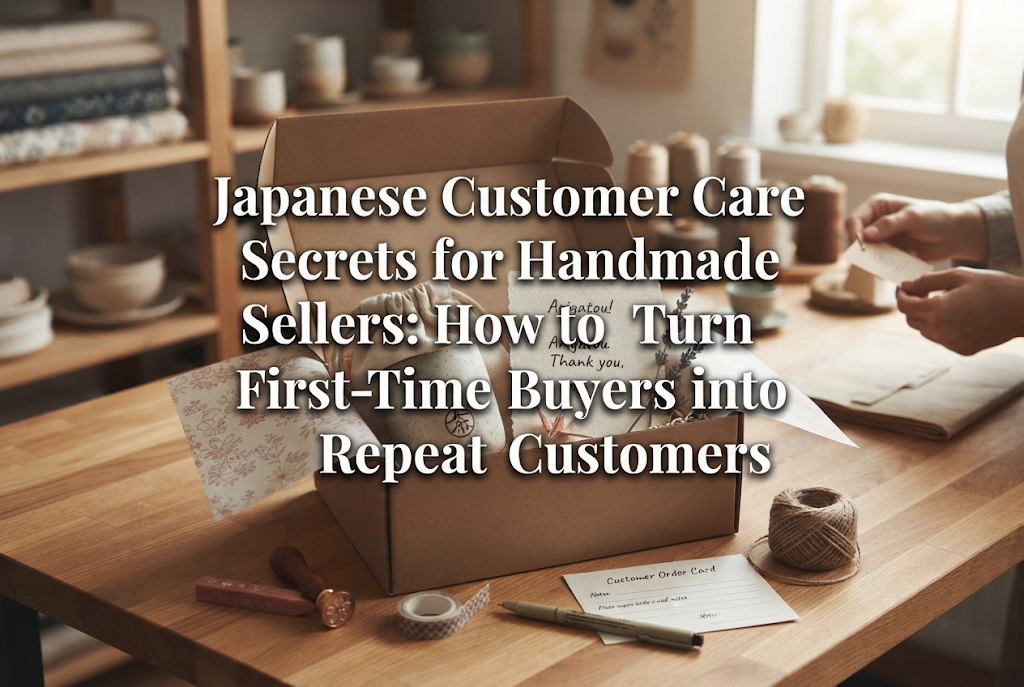
The unboxing experience creates the emotional moment that converts first-time buyers into loyal fans.
The bigger the delight upon opening the package, the more likely the buyer will post photos on social media or leave a glowing review, generating powerful word-of-mouth promotion.
Far too many makers stress over poor sales without ever looking at concrete numbers.
To fix sales issues, stop relying on hunches. You need to analyze real data. Check your seller dashboard or analytics tools to review your shop's performance metrics.
Analyzing metrics reveals exactly what needs fixing:
Looking at data shows the exact corrective steps to take. Stop remaking inventory blindly; focus on targeted improvements backed by data.
If I found myself stuck in a rut where nothing was selling despite working hard, I would rebuild my shop from scratch using this exact step-by-step roadmap:
By executing these steps systematically, any shop can experience a dramatic turnaround.
We've walked through the 9 fatal mistakes behind unsold handmade items and how to fix them.
When sales are slow, it's easy to feel disheartened and conclude, "I just don't have talent." But that is simply not true. You just haven't implemented the principles of presentation, communication, and reach yet.
Go through these 9 causes and resolve them one by one. Updating a single photo or adding one meaningful sentence to a description can completely change a buyer's reaction.
I sincerely hope your heartfelt, beautiful creations reach the people who need them and bring countless smiles!
If you found this guide helpful, please share it with your craft friends on social media. See you in the next article! This was Yassy from Crafters!


For example, if you are looking for articles about mizuhiki, try searching for "mizuhiki"; if you are interested in tools, try keywords like "nippers" or "pliers."