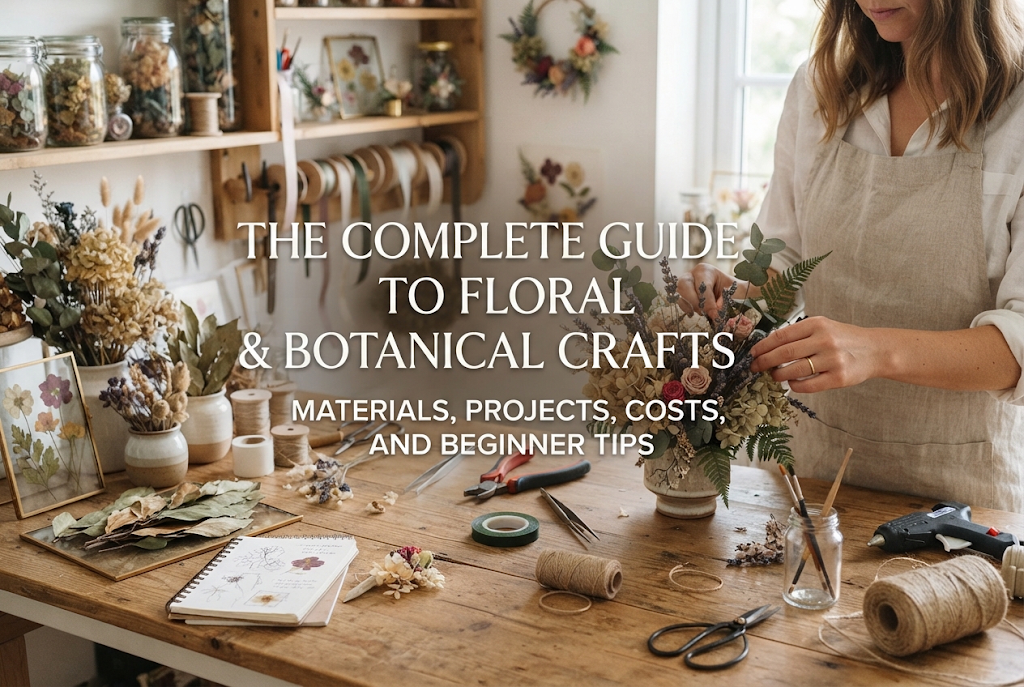
The Complete Guide to Floral & Botanical Crafts: Materials, Projects, Costs, and Beginner Tips
- Introduction: The Joy of Bringing Botanical Crafts into Your Life
- What Are Floral & Botanical Crafts? Basics and Main Categories
- Are Botanical Materials Difficult to Handle? Rules for Storage & Care
- Difficulty Levels and Step-by-Step Creation Guide
- Required Workspace and Essential Craft Tools
- Costs and How to Budget for Your New Hobby
- Yassy's Step-by-Step Method for Beginner Success
- Conclusion: Bring Comfort and Beauty into Your Daily Life
Introduction: The Joy of Bringing Botanical Crafts into Your Life
Hello, everyone! I'm Yassy from Crafters! (・∀・)
Having flowers and plants in your living space instantly brightens the atmosphere and brings a sense of comfort. I personally love displaying fresh flowers, and whenever I visit home decor shops or handmade marketplaces, I always find myself mesmerized by stylish botanical crafts. Above all, I absolutely love the time I spend creating one-of-a-kind items using dried and preserved flowers with my own hands.
However, many beginners face common questions and worries when starting out:
- "I want to try floral and botanical crafts, but I don't know where to begin."
- "Working with real flowers seems difficult. Won't they wither or crumble right away?"
- "What kind of tools and workspace do I need, and how much will it cost?"
If you have these doubts, don't worry! In this guide, I will cover everything from basic knowledge, types of projects, and material characteristics to handling difficulties, ideal workspaces, and realistic budget expectations. By the end of this article, you will know exactly which materials to choose and which project to start with. Let's take the first step toward a wonderful handmade life filled with botanical beauty!
What Are Floral & Botanical Crafts? Basics and Main Categories
Floral and botanical crafts refer to all kinds of handmade items—such as interior decor, accessories, and gifts—created using natural dried flowers, leaves, seeds, branches, or high-quality realistic artificial blooms. Unlike gardening with live plants, the biggest appeal of plant crafts is that you can enjoy the lasting beauty of flowers for a long time with minimal daily care, such as no watering required.
Depending on the materials you choose, the creation process, aesthetic, and durability will vary significantly. Let's take a look at the four main flower materials used in botanical crafts.
The 4 Main Flower Materials and Their Differences
Understanding the key differences among these four primary materials is the first step to successful crafting:
- Dried Flowers: Made by naturally drying fresh flowers. They feature muted, antique-style tones and a textured, rustling feel. They bring a warm, natural aesthetic that fits perfectly with Nordic or rustic interior designs. One of their unique charms is enjoying their color change over time.
- Preserved Flowers: Created by soaking fresh flowers at their peak beauty in a special fluid that replaces moisture with color and preservatives. They retain a soft, fresh texture and vivid color for a long time, looking almost identical to fresh blooms. Unlike dried flowers, they do not crumble easily or leak water, making them ideal for high-end gifts and wedding bouquets. They also come in unique custom colors like cobalt blue or black.
- Artificial Flowers (High-Grade Faux Blooms): High-quality artificial materials crafted from polyester, polyethylene fabric, or resin. Unlike cheap-looking faux flowers of the past, today's high-grade artificial flowers are crafted with exceptional detail and look remarkably realistic even up close. They offer supreme durability against moisture, water, and sunlight, making them perfect for outdoor door wreaths or event decorations used repeatedly.
- Pressed Flowers (Pressed Botanicals): Materials flattened and dried under pressure. They capture vivid colors and natural shapes within a thin, flat profile, making them widely usable for paper crafts, resin jewelry, and phone case decorations. They allow for delicate, painting-like expressions.
Popular Projects You Can Create
There is a wide variety of items you can create using these materials. Here are some representative items that are popular for interior decor and easy for beginners to try:
- Swags (Wall Hangings): Simple bouquet-style wall decor made by bundling flowers and foliage and hanging them upside down.
- Floral Wreaths: Circular wall hangings created by arranging flowers and berries on a donut-shaped base.
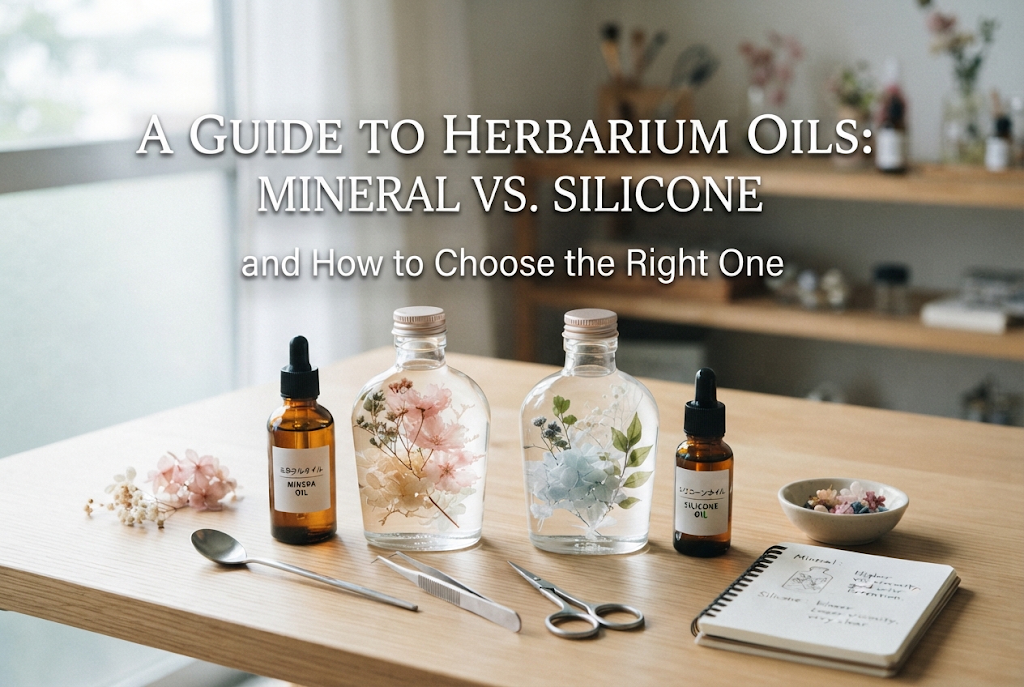
- Herbarium Bottles: Decorative glass bottles filled with dried or preserved flowers and specialized clear oil.
- Botanical Candles & Aroma Sachets: Scented wax sheets or candles embedded with real botanical elements.
- Box Flowers & Frame Arrangements: Three-dimensional floral artwork arranged inside wooden boxes or picture frames.
- Botanical Resin Accessories: Earrings and necklaces crafted by setting pressed flowers or tiny dried blooms in clear UV resin.
Are Botanical Materials Difficult to Handle? Rules for Storage & Care
A common worry for beginners is whether working with natural materials is overly delicate. The short answer is that as long as you know the basic rules, handling them is not difficult at all. However, because they originate from real plants, rough handling will shorten their lifespan.
Causes of Degradation by Material Type
The three main causes of deterioration in botanical materials are direct sunlight (UV rays), humidity/moisture, and physical impact.
Dried Flowers: Because they are completely dry, they will not rot from moisture, but they are very fragile. Rough touches or drops will cause petals and leaves to fall off. Exposure to UV rays causes rapid fading into yellow or brown tones.
Preserved Flowers: Extremely sensitive to humidity. In damp environments, the preservation liquid can seep out as droplets, potentially staining clothing or walls. Absorbing moisture can also cause petals to become translucent or grow mold. Additionally, direct air currents from air conditioners will dry them out excessively and cause petal cracking.
Artificial Flowers: Exceptionally strong against physical impact and moisture, though prolonged exposure to direct sunlight can fade fabric colors. Dust tends to accumulate on them, so periodic dusting is needed.
Realistic Lifespans: Misconceptions About How Long They Last
Beginners often assume preserved or dried flowers last forever, but they are not magical items with endless life. Each material has its expected display period:
- Dried Flowers: Expect around 3 to 6 months of peak color. Over time, colors fade into a chic, vintage sepia tone. Embracing this color shift is part of the charm of dried flowers, not a sign of failure!
- Preserved Flowers: In a typical climate, they generally last about 1 to 3 years. Kept in optimal conditions, they maintain their beauty for years, though colors slowly soften over time.
- Artificial Flowers: If you want decor that lasts semi-permanently or need something for harsh locations like outdoor entryways or humid bathrooms, high-grade artificial flowers are the absolute right choice.
Difficulty Levels and Step-by-Step Creation Guide
Overall, floral craft falls into the beginner to intermediate range in the handmade world. Since it doesn't require heavy machinery or complex sewing skills, even those who feel uncoordinated can create a lovely piece right away.
Project Difficulty Breakdown
- ★☆☆☆☆ (Absolute Beginner): Swag & HerbariumBundling stems with twine for a swag or placing blooms into a glass bottle filled with oil leaves almost no room for technical failure. These give a quick sense of achievement.
- ★★☆☆☆ (Beginner): Mini Wreaths & Framed ArrangementsUsing a hot glue gun to attach flowers onto wreath bases or wooden frames requires a bit of spatial balance, but large gluing surfaces make these easy to succeed at.
- ★★★☆☆ (Intermediate): Wiring Arrangements, Botanical Candles & ResinTechniques like wrapping wire around stems (wiring technique) or managing wax temperatures and resin curing require specialized tools and practice.
3 Common Beginner Obstacles and How to Overcome Them
- The Wiring Wall: Wiring involves threading thin wire through short or delicate stems to reinforce or extend them. Beginners often break delicate preserved flower heads by applying too much force. Solution: Never squeeze the flower head tightly. Gently support the base of the calyx with your fingertips and wrap the wire without pulling excessively hard.
- The Taping Wall: Covering bare wire with floral tape often leaves beginners frustrated when the tape won't stick. Solution: Floral tape releases adhesive only when stretched! Pull the tape slightly downward while rolling it between warm fingertips to activate the stickiness.
- The Composition Wall: Arranging flowers can sometimes look cluttered. Beginners tend to pack too many colors and flowers together without a plan. Solution: Choose 1 to 3 large focal blooms, surrounding them with secondary accent flowers, and fill remaining gaps with green foliage. Assigning clear roles (focal, accent, base) instantly elevates your design to a professional level.
Required Workspace and Essential Craft Tools
One major advantage of floral crafting is that it requires very little physical space.
Setting Up Your Workspace
A small desk area equivalent to 1–2 sheets of newspaper (around 70 cm × 50 cm) is plenty of space. Because flower pollen, leaf fragments, and wire snippets will scatter, laying down a large cutting mat, craft sheet, or newspaper makes cleanup effortless.
Key environmental factors for your workspace:
- No Drafts: Air conditioners or fans will easily blow away delicate dried petals and leaves.
- Bright, Indirect Light: Good lighting is needed to judge colors accurately, but keep direct sunlight off your materials during work.
- Safe from Children and Pets: Small seed pods, wire clippings, and hot glue pose choking or injury risks. Keep a lidded storage box handy to stow away items quickly.
4 Must-Have Basic Tools
- Craft Scissors (with Wire-Cutter Notch): Cutting tough wire or fibrous stems with regular sewing or paper scissors ruins the blades quickly. Invest in specialized floral craft scissors with a built-in wire notch at the base for clean stem cuts without crushing.
- Glue Gun & Glue Sticks (High-Temp): Hot melt adhesive securely fastens flowers in seconds when making wreaths or framed art. I recommend a high-temperature glue gun for stronger adhesion.
- Craft Tweezers: Essential for placing small dried petals, seeds, or pressed flowers into tight spaces without crushing them.
- Craft Wire & Floral Tape: Paper-wrapped or bare wire along with green or brown floral tape are used for stem reinforcement. Wire gauge numbers run inverse to thickness; #24 or #26 wire is ideal for beginners.
Costs and How to Budget for Your New Hobby
Starting a new hobby raises practical financial questions. Fortunately, floral crafting requires very low upfront investment compared to crafts needing expensive machinery like resin lamps or sewing machines.
Initial Cost Breakdown
Starting completely from scratch, your initial investment for basic tools and your first project materials will range from approximately 3,000 to 7,000 JPY (roughly $20–$50 USD):
- Basic Tool Set (Scissors, Glue Gun, Tweezers, etc.): ~1,500 – 3,000 JPY
- Craft Materials (Wire, Tape, Wreath Base): ~500 – 1,000 JPY
- Flower Materials Assortment (for 1 swag or mini wreath): ~1,000 – 3,000 JPY
- Total: ~3,000 – 7,000 JPY
Where to Buy Craft Supplies Wisely
To maximize cost performance, know where to buy what:
Basic supplies like hot glue guns, craft sheets, wooden frames, tweezers, and sorting trays can easily be bought at 100-yen stores or budget craft shops. Their quality is more than sufficient to get started.
However, I strongly recommend purchasing your main flower materials and floral scissors from specialized craft suppliers or reputable online retailers (such as Amazon, Rakuten, or specialized floral distributors). Budget store faux flowers or dried packs often lag in color richness, volume, and longevity. Purchasing professional flower assortment packs online ensures high quality at reasonable prices.
Golden Rule: Save on basic tools, and invest a bit more in high-quality flowers for a luxury finish!
Yassy's Step-by-Step Method for Beginner Success
If I were starting over today as a complete beginner, here is the exact strategy I would use to avoid wasting materials:
Start with a Color-Coordinated Dried Flower Pack for Your First Swag
A common beginner mistake is buying individual flower stems at a flower shop and struggling to match colors and textures effectively. Color coordination requires practice.
Instead, pick up a color-coordinated dried flower assortment pack (e.g., all pink/white tones or green/yellow tones) from a craft supplier. Because the colors are pre-curated by professionals, they are guaranteed to look harmonious together!
For your first creation, build a mini swag without using glue guns or complex wiring. Arrange stems in your hand, pay attention to height variations, and tie them securely with jute twine. This simple exercise teaches your hands the foundational feel of stem handling, flower direction, and color placement.
Pro Tips to Prolong the Life of Your Creations
Once your piece is finished, display it in a location free of direct sunlight and high humidity. Living room walls, hallways, or shelving away from windows are ideal. Avoid humid bathrooms, kitchens, or entryways to prevent premature fading or mold.
To protect dried flower projects from shedding, lightly spray them from a distance with a dried flower hardener spray or unscented strong hairspray. This coats the petals thinly and dramatically reduces crumbling. To clean off dust, gently blow air over the arrangement or dust it lightly with a soft makeup brush.
Conclusion: Bring Comfort and Beauty into Your Daily Life
Floral and botanical crafts offer a delightful way to connect with the gentle beauty of nature. Without needing large equipment or extensive space, you can jump into this rewarding hobby on a modest budget.
Don't be afraid to make mistakes on your first try! Start with a small bundled swag or a simple framed display. The sense of accomplishment when decorating your home with something you built with your own hands is truly unbeatable.
I hope you enjoy starting your own vibrant, flower-filled handmade journey!
If you enjoyed this guide, please share it with your friends on social media or messaging apps! Thanks for reading, and see you in the next article! This was Yassy from Crafters!
■You can search using keywords to find information on topics that interest you or things you want to look up.
For example, if you are looking for articles about mizuhiki, try searching for "mizuhiki"; if you are interested in tools, try keywords like "nippers" or "pliers."