How to Sand and Polish Jesmonite for a Flawless Gloss and Vibrant Terrazzo Finish
yassy
Crafters!
Hello, this is Yassy from Crafters! (・∀・)
Water-based resin "Jesmonite" has become a massive trend in the handmade world. It is a safe material that requires no organic solvents, offering a luxurious finish that sets it completely apart from standard epoxy resins and plaster. I have fallen head over heels for the charm of Jesmonite myself and spend my days crafting various home decor items.
However, when you first decide to start working with Jesmonite, there is a common hurdle everyone encounters: deciding between the product codes AC100 and AC730. Looking at online craft stores and official supplier sites, you will see multiple product codes listed, leaving many crafters confused about which one to buy.
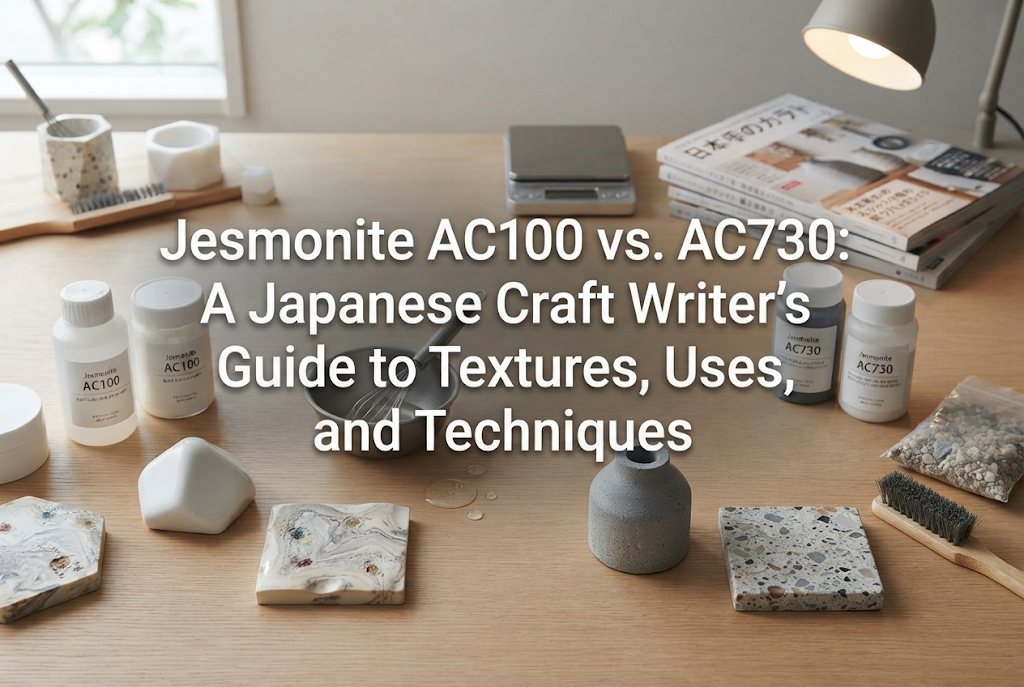
To put it simply, AC100 and AC730 are not just different model numbers. They are entirely different materials in terms of ingredients, cured texture, suitable applications, and even required post-processing techniques. Choosing without understanding these differences can lead to critical failures, such as getting a texture completely different from what you expected or struggling with processing.
In this article, I will explain the decisive differences between Jesmonite's two flagship formulas, AC100 and AC730. Drawing from my practical experience creating numerous Jesmonite pieces, I will dive deep into everything from spec comparisons and professional processing tricks to selecting the right material for your project. By the end of this article, you will know 100% which material is perfect for what you want to make.
First, let's look at the fundamental differences between AC100 and AC730. The primary differences lie in the base powder composition and the surface finish. Here is a clear comparison table to help you grasp the full picture.
As you can see, even though they share the name "Jesmonite," their contents are entirely different. AC100 combines acrylic resin with a plaster-based powder to produce a material with ceramic-like smoothness. On the other hand, AC730 combines acrylic resin with cement and fine crushed stone aggregates to recreate authentic stone textures.
Keeping these core differences in mind, let's explore the detailed features and strengths of each material.
AC100 is the most popular standard model of Jesmonite, loved by craft artists worldwide. If you are a beginner picking up Jesmonite for the first time, AC100 is definitely the one you should start with.
Here is why AC100 is so widely supported, along with its clear strengths.
The greatest advantage of AC100 is its high fluidity right after mixing. When you mix the liquid and base powder at a 1:2.5 weight ratio, it turns into a smooth, pourable liquid. Because it flows so well, it fills complex silicone molds with intricate details or sharp textures without leaving gaps.
AC100 excels at detailed moldings, such as accessory trays with intricate patterns or geometric candle holders. Air bubbles release easily, and demolding is extremely smooth.
The base powder of AC100 is an off-white color close to pure white. Because of this, adding dedicated pigment dyes gives you bright, accurate color development exactly as intended.
You can easily create any shade you desire, from soft pastels and primary colors to chic dark tones. Furthermore, popular techniques like marble patterns created by swirling multiple colors, or terrazzo finishes made by embedding crushed cured chips, are classic specialties of AC100.
Depending on your color combinations, you can easily craft stylish, modern designs that are truly one of a kind.
When cured, AC100 has a smooth, cool surface touch, resembling high-end unglazed porcelain ceramics. It feels wonderful in your hands and looks stunning displayed as indoor home decor.
It is perfect for making indoor decorative items such as coasters, trinket dishes, vase covers, incense holders, and diffuser bases. Its moderate weight gives your finished creations a premium feel.
Next, let's look at AC730 in detail. AC730 is a true cementitious material used for architectural ornamentations and outdoor sculptures. It is a top-tier material for crafters who want to achieve an authentic stone feel and impressive weight that goes beyond typical DIY crafts.
The ultimate appeal of AC730 is its ability to replicate the look and feel of real stone once cured. Fine natural stone aggregates and decorative powders are pre-blended directly into the AC730 powder.
By performing a special post-processing step (acid washing) after molding, the thin cement film on the surface dissolves away, exposing the sparkling natural stone aggregates underneath. This eliminates any plastic or resin-like feel, resulting in a heavy stone texture reminiscent of historic architecture or outdoor garden sculptures.
AC730 powder comes in dedicated stone finishes, including Natural Stone, Yellow Sandstone, and Grey Basalt.
While AC100 is strictly for indoor use, AC730 boasts exceptional durability and weather resistance. Because it is built on a cementitious matrix, it resists wind, rain, and UV rays without deteriorating even when left outdoors for extended periods.
It does not break down upon absorbing water, making it sturdy enough to withstand wet environments like bathrooms or outdoor displays.
AC730 shines brightest in outdoor garden goods and larger 3D creations. For items where weight and durability are essential—such as garden flower pots, bird baths, patio ornaments, heavy bookends, or umbrella stands—AC730 is the clear choice.
The substantial weight and cool touch you feel when picking up an AC730 piece provide a unique value that AC100 simply cannot replicate.
Now that you understand the specs of both materials, here are three simple criteria to help you decide which one to use for your next creation.
Base your decision on the surface feel and visual style you want to achieve. If you prefer a smooth, neat finish with vibrant colors or clean graphic patterns, choose AC100. It is ideal for elegant, modern designs that fit Scandinavian or minimalist Korean-style decor.
On the other hand, if you want a rough stone texture, rugged rock feel, or antique weathered look, choose AC730. It is perfect for natural textures, vintage aesthetics, industrial interior decor, or traditional Japanese stone-inspired accents.
Consider where your finished item will be placed. For home decor displayed indoors—like living rooms, bedrooms, or entryways—choose user-friendly AC100. Since AC100 is susceptible to moisture damage, it cannot handle constant water exposure, balconies, or gardens.
If you are making items for gardens, balconies, outdoor shop displays, or sink areas, always choose AC730. Items made with AC730 are tough enough to handle rain and moisture without any issues.
The weight of the final piece is another important factor. AC100 has a lower relative density, making it easy to create lightweight small items by keeping the walls thin. It is great for items moved frequently by hand, like paperweights or small organizer trays.
AC730 is dense and heavy, making it ideal for luxury interior pieces that need a solid anchor feel, outdoor items that shouldn't blow away in the wind, or sturdy bookends. Its solid weight significantly enhances the perceived quality of your work.
AC100 and AC730 also differ greatly in their mixing and finishing processes. Knowing these steps beforehand will prevent frustration during production.
The very first step—measuring and mixing—differs significantly between the two materials.
AC100 Procedure:Follow the golden ratio of 1 part liquid to 2.5 parts base powder by weight. Add the powder gradually into the liquid container and mix thoroughly with a whisk or paddle until smooth and lump-free. Due to its liquid nature, it mixes smoothly in a short time. Pigments are added during this stirring stage.
AC730 Procedure:Mix 1 part liquid with 5 parts base powder—a substantial amount of powder! Because the powder is five times the liquid volume, beginners are often surprised at how dry it looks initially. Hand mixing requires considerable effort, so using an electric mixer (such as a drill with a mixing blade) is recommended to knead it thoroughly. The final consistency is not a pourable liquid, but a thick, clay-like paste.
Once AC100 is demolded and dried, it is virtually finished. You only need to trim any flashings and give it a light sanding with sandpaper if necessary.
In contrast, when AC730 comes out of the mold, it looks like a dull grey or beige lump of mud. To reveal its true beauty, you must perform an Acid Wash process after demolding.
AC730 Acid Wash Steps:
This extra step of acid washing is the secret technique that creates AC730's authentic texture. Acid washing has no effect on AC100, so remember this as a technique unique to AC730.
The molding techniques also differ.
With AC100, gently pour the liquid into the edge of the silicone mold, allowing it to fill naturally. Tapping the sides of the mold after pouring brings air bubbles to the surface for easy removal.
Because AC730 is a thick paste, simply pouring it from above can trap large air pockets in detailed mold corners. Therefore, when filling a mold with AC730, first use a brush or your fingers to press a thin layer of AC730 directly into all details of the mold surface. After coating the detail surface, pack the remaining paste firmly inside to avoid empty voids.
Here are some frequent mistakes made by beginners when working with Jesmonite, along with practical solutions to ensure success without wasting materials.
The most common mistake in Jesmonite crafting is rushing to demold the piece before it has fully hardened, resulting in cracks.
AC100 hardens rapidly once its exothermic chemical reaction finishes, making it possible to demold in about 30 to 45 minutes. However, it takes over 24 hours to fully evaporate moisture and achieve maximum strength. Trying to force it out of the mold while it feels warm or damp can snap delicate areas. Make sure it has cooled completely and feels solid before demolding.
Because AC730 is cement-based, its curing speed is slower than AC100. It is safest to wait at least 4 to 12 hours before demolding AC730. Handle it gently when peeling back the silicone mold.
Never add extra water to make the mix easier to stir or more liquid! Jesmonite liquid-to-base ratios are precisely formulated. Adding water disrupts the chemical reaction balance, which can cause curing failure or make the final piece weak and brittle after drying.
If you want to lower the viscosity and extend working time, do not add water—use the official Jesmonite Retarder. Adding just a few drops of Retarder extends setting time and keeps the mixture fluid longer.
Do not use oil-based resin dyes, solvent-based paints, or cheap store dyes for Jesmonite. Because Jesmonite is a water-based system, oil-based colorants will separate, preventing proper curing.
Always use official Jesmonite Pigments or water-based acrylic paints. Dedicated pigments are highly concentrated, delivering rich color with just a small drop. As a rule of thumb, keep pigment addition under 2% of the total weight. Adding too much pigment weakens the material structure, so stick to recommended limits.
As a craft writer who loves all kinds of handmade arts, here are some of my personal ideas and techniques for making the most of AC100 and AC730. Feel free to use these as design inspiration!
To highlight AC100's smooth white finish and excellent color output, a marble trinket tray is my top recommendation.
Prepare your main white AC100 mix, then prepare a small separate cup of AC100 tinted with a deeper shade (like dusty rose or greige). Drizzle the accent color into the white base, swirling it gently once or twice with a stir stick. Pour immediately into a silicone tray mold before it mixes completely, and a gorgeous, natural marble pattern will emerge!
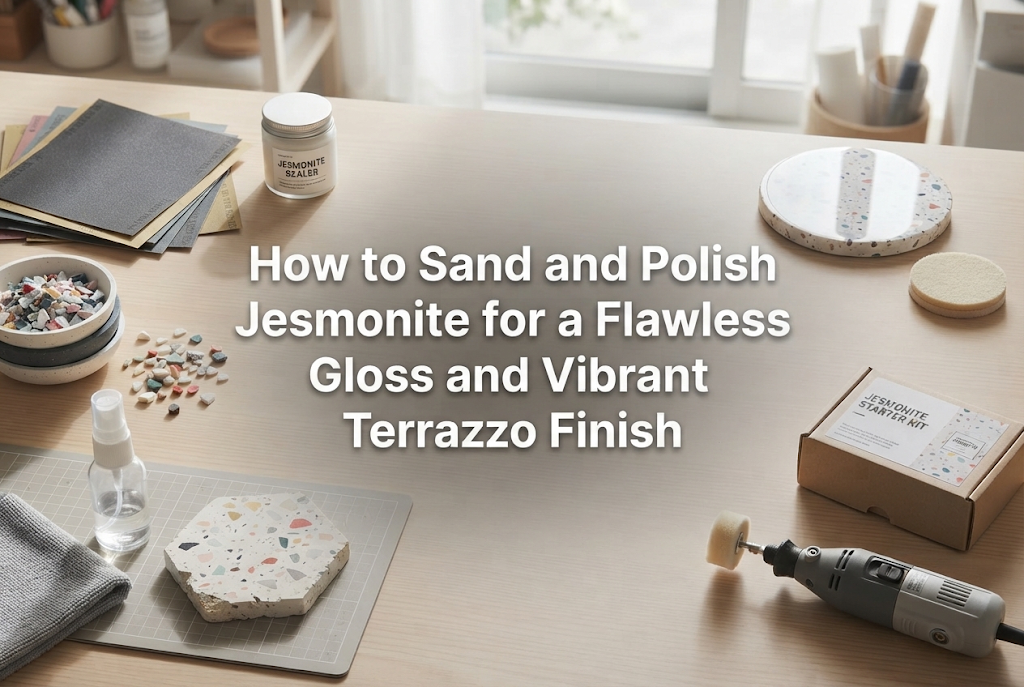
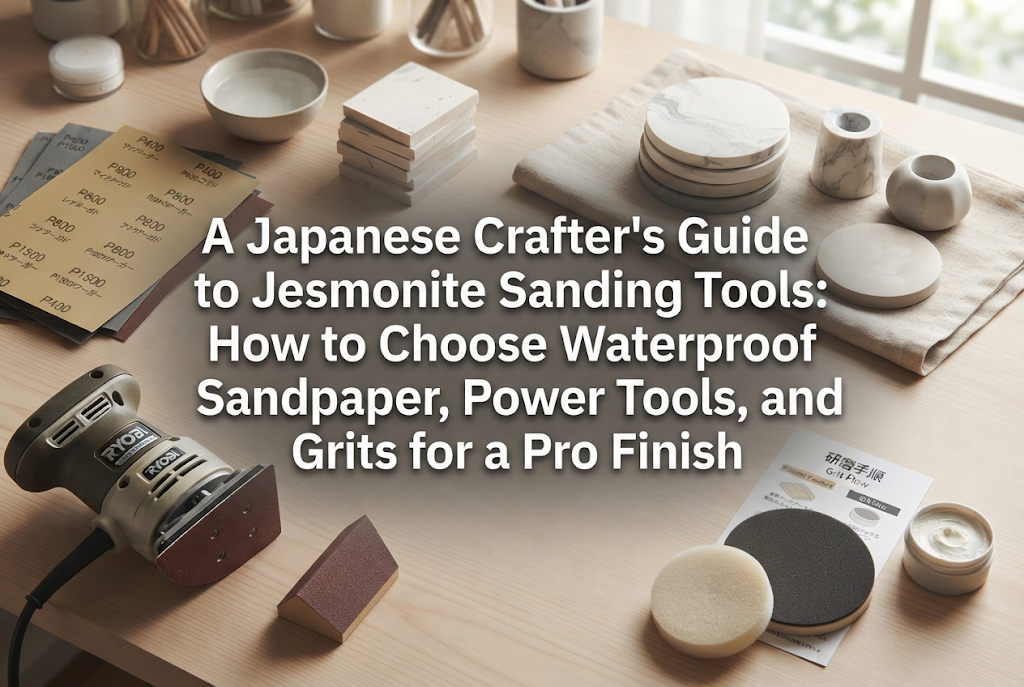
After demolding, wet-sand the surface lightly using 240 to 800 grit sandpaper for an incredibly silky touch. Finish with a coat of protective sealer for a store-quality home accent tray.
To showcase AC730's remarkable stone presence, a terrazzo-style mini planter for house plants is an absolute winner.
Prepare an AC730 paste (Natural Stone finish) and mix in colorful, crushed AC100 chips you prepared in advance. Pack the paste tightly into a planter mold, ensuring no air pockets remain.
Once cured and demolded, submerge the planter in a citric acid solution for an acid wash. Seeing the surface cement dissolve to reveal colorful terrazzo chips mixed with stone aggregate is a thrilling moment! You end up with a unique garden accent combining real stone weight with modern terrazzo design.
In this guide, we have explored the key differences between Jesmonite's two core formulas, AC100 and AC730—from ingredients and textures to suitable applications and post-processing methods.
Let's do a quick recap:
Neither material is strictly "better" than the other; the right choice simply depends on what texture you want to create and where your piece will be placed. If you want ease of use and creative design freedom, starting with AC100 is the best path. Once you want to tackle real stone textures or outdoor items, definitely give AC730 a try.
By understanding these material characteristics, your handmade creations will reach a truly professional level. Have fun exploring the endless possibilities of Jesmonite with your own hands!
If you enjoyed this guide, please share it with your craft friends on social media! See you in the next article—this was Yassy from Crafters!

For example, if you are looking for articles about mizuhiki, try searching for "mizuhiki"; if you are interested in tools, try keywords like "nippers" or "pliers."