Essential Handmade Craft Glue & Adhesive Tools: A Guide to Applying, Placing, Pressing, and Clamping
yassy
Crafters!

Hello, crafters! It’s Yassy! (・∀・)
From hand-knitted sweaters and scarves to adorable amigurumi and crochet bags, handmade yarn pieces carry a special warmth and charm that mass-produced garments simply cannot match. My own home is filled with yarn projects—pieces I spent weeks knitting myself, as well as one-of-a-kind handmade creations I couldn't resist buying at craft markets and online handmade shops.
However, anyone who cherishes knitted and crocheted items inevitably hits the dreaded "laundry problem":
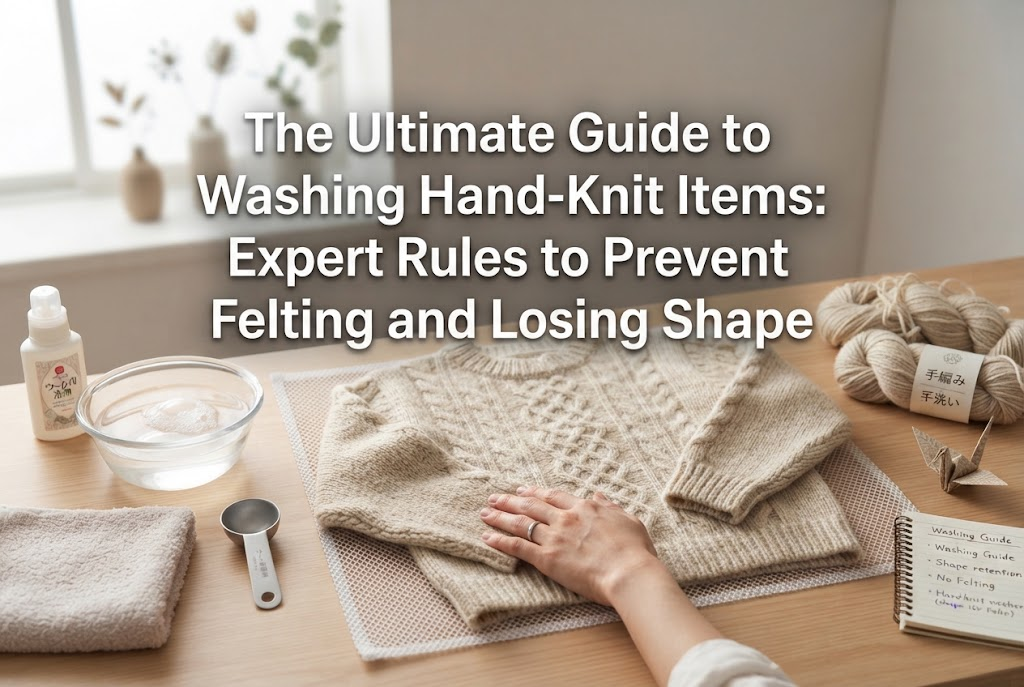
It is heartbreaking to pour days of work into a project only to watch it get ruined in the wash. But here is the good news: washing hand-knits goes wrong only when you don't understand the physical mechanisms behind yarn fibers. Once you understand yarn characteristics and apply the proper techniques and tools, your handmade knitwear will never shrink or lose its shape. In fact, you can keep it looking pristine and brand new for decades.
As someone who crafts, studies, and collects handmade fiber arts, I want to share the definitive rules for washing yarn creations without a single regret. These foolproof steps are simple enough for beginners to try today—let's make your favorite creations last a lifetime!
To avoid laundry disasters, you first need to understand the physical causes of shrinkage and distortion. When you understand the science, the dos and don'ts become instantly clear.
When a yarn piece shrinks into a dense, stiff block, that process is called felting. Conversely, when it sags and warps out of proportion, that is caused by structural stretching of the knit loops and fibers. Both issues stem from specific washing mistakes.
Animal fibers such as sheep's wool feature microscopic, scale-like structures on their surface (called cuticle scales). When these fibers get wet, the scales flare open and become prone to catching onto one another.
When you combine wet, flared scales with heat (warm/hot water) and friction (scrubbing, wringing, or the agitation of a washing machine), the scales interlock tightly. Once they tangle, they cannot be pulled apart. That irreversible entanglement is what we call felting.
Felting compresses the fiber network to its extreme limit. As a result, garments shrink several sizes and turn into stiff, coarse fabric. Once wool fully felts, returning it to its original soft, elastic state is impossible. Therefore, your primary defense against shrinkage is strictly eliminating three triggers: hot water, friction, and rubbing.
Most everyday laundry detergents (both powders and liquids) are mildly alkaline. While alkaline formulas are fantastic at cutting through stubborn body oils and dirt on cotton, they are disastrous for animal fibers like wool and cashmere, which are composed of natural animal proteins.
Alkaline environments denature protein fibers, stripping away their protective cuticle layer and natural moisture. This leaves yarn parched, coarse, and prone to rapid shrinkage. Never reach for your standard household laundry detergent when cleaning delicate yarn creations. To lift dirt without harming the fiber, using a pH-neutral delicate wash is non-negotiable.
Tossing a handmade knit straight into a washing machine cycle is asking for disaster. The strong currents in the drum grind the stitches against each other, creating massive friction. Furthermore, the intense centrifugal force during the spin cycle pulls violently on the waterlogged yarn, warping hand-crafted tension beyond recognition.
Even if your washer features a "Delicate," "Hand Wash," or "Wool" setting, handmade knits and delicate amigurumi are always safest when hand-washed. In the world of handmade knitwear, machine agitation and aggressive spinning are your biggest adversaries.
Achieving a flawless wash requires gathering the right tools beforehand. Making do with whatever happens to be on your laundry shelf is the easiest way to cause an accident. Here are the items I personally rely on—every single one can be easily found at local stores or online.
Always select a liquid detergent explicitly labeled as "delicate," "wool safe," or "pH-neutral" (common Japanese brand examples include Emal or Acron).
Neutral detergents dissolve gently in water, wrapping around delicate fibers to lift dirt away without stripping their natural structure. Many contain conditioning agents that preserve the natural loft, bounce, and softness of yarn. Avoid bar soaps, standard powder detergents, and anything containing bleach or enzymatic stain removers, as they will degrade fiber integrity.
While neutral detergent alone gets the job done, adding a tiny amount of fabric softener to your final rinse dramatically elevates the finish.
Fabric softener reduces static cling, which significantly cuts down on surface friction and pilling during wear. Much like hair treatments, it coats the fibers to restore a silky hand. However, do not overdo it. Too much softener makes fibers overly slippery, leading to sagging stitches and reduced moisture absorption. Use half to equal the manufacturer's suggested dose. If you don't have delicate fabric softener on hand, a small pump of standard human hair conditioner dissolved in tepid water serves as an effective alternative.
For the drying stage, two items are absolute necessities: a flat drying net (sweater rack) and large bath towels.
Wet yarn absorbs substantial amounts of water and becomes extremely heavy. Hanging a wet sweater on a conventional hanger causes gravity to drag the stitches downward, stretching the garment permanently. A flat drying mesh net allows airflow from underneath while keeping the piece entirely supported on a level surface.
You can purchase flat drying racks at home goods stores or online. Additionally, prepare two clean, highly absorbent large bath towels to roll and squeeze out excess moisture before drying.
The term "yarn" covers an immense variety of fibers, and each responds differently to water and handling. Always check the yarn label or the craft artist's description before proceeding.
Animal fibers like sheep's wool, merino, cashmere, alpaca, and mohair offer unbeatable warmth and texture, but they are the most delicate and prone to shrinkage. They are hyper-sensitive to temperature shifts. Always maintain a water temperature below 30°C (86°F)—it should feel cool to barely lukewarm when you dip your hand in. Shifting abruptly from lukewarm water to cold rinse water will shock the fibers, triggering sudden shrinkage. Stick strictly to a gentle, compression-based hand wash without any rubbing. (If working with "superwash" treated wool, felting is less of a risk, but gentle hand-washing remains the safest approach.)
Plant fibers like cotton and linen handle water well and will not felt. While they resist shrinkage much better than animal fibers, they present a different set of challenges: distortion, stitch skewing, and color bleeding. Cotton becomes heavy when wet and sets into whatever shape it dries in. You must reshape cotton items meticulously before letting them dry. Furthermore, richly dyed cottons bleed easily, so always wash them separately and swiftly.
Synthetic fibers resist shrinking, warping, and water damage exceptionally well, making them very beginner-friendly. However, acrylic's biggest weaknesses are static electricity and rapid pilling. Treat them gently to avoid fuzzing. Most importantly, synthetics are vulnerable to high heat: hot water or direct irons will melt the fiber tips, permanently flattening their texture.
Many garments use blends such as 50% wool / 50% acrylic, or 60% cotton / 40% acrylic. The golden rule for blends is simple: care for the garment according to its most delicate fiber. If a skein contains 80% acrylic and 20% wool, treat the whole piece with the delicate wool protocol (lukewarm water below 30°C, neutral detergent, gentle press-wash). Catering to the tougher fiber will destroy the delicate component.
Here is the exact step-by-step process I use to wash delicate knit and crochet items with salon-grade results. Take your time and treat each step with patience.
Before any water touches your piece, take a tape measure and record its pre-wash dimensions: body length, chest width, sleeve length, or total width and height. Writing these down guarantees you can pin and shape the wet item back to its exact original proportions during drying. Once measured, lightly pat the piece with clean hands to dislodge surface dust and pick off any loose lint.
Fill a clean basin with lukewarm water below 30°C (86°F). Remember: if the water feels noticeably warm, it is too hot. It should feel pleasantly cool or neutral to the touch. Add the recommended dose of neutral delicate detergent. Crucially, stir the detergent into the water completely before submerging your knitwear. Pouring concentrated detergent directly onto dry wool can cause localized discoloration or fiber stress.
Place your knit item gently into the soapy water. Your washing technique must strictly be press-washing (submerging and pressing):
The goal is to push water through the yarn gaps to lift oils away without disturbing the surface fibers. For cuffs or collars with soil, gently press those areas a few extra times—never scrub. Keep the total washing time under 2 to 3 minutes. Extended soaking can cause released dirt to settle back into the fibers.
When finished pressing, support the garment from underneath using both hands to lift it out of the basin. Never pull it up by a single sleeve or edge, as the weight of the water will stretch the knit. Empty the soapy water, refill the basin with clean water at the same temperature, and rinse by gently pressing down several times. Repeat this water replacement and gentle press-rinse twice to fully clear away detergent residues.
During the second rinse, dissolve a small amount of fabric softener (or hair conditioner) into the water. Let the garment rest submerged for about 1 minute so the conditioning agents coat the yarn evenly, then press out the excess water. There is no need to rinse again after this step.
Do not wring out water like a wet cleaning rag! Twisting wet yarn tears microscopic fibers and deforms stitches permanently. Instead:
Small accessories dry sufficiently from towel-blotting alone. For heavier sweaters, transfer the folded piece inside a snug mesh laundry net and spin it in your washing machine for 30 to 60 seconds maximum. Never let it spin past the one-minute mark, or severe creasing and stretching will occur.
Washing correctly is only half the battle; how you dry your yarn pieces makes or breaks their final appearance.
As mentioned earlier, wet wool stretches significantly under its own weight. Hanging it from a standard hanger creates permanent shoulder bumps and an elongated, distorted body. Always spread the piece flat across a breathable mesh drying rack. If you do not have a specialized net, lay a clean dry towel flat over a drying maiden or a flat bath board and place the item on top so the entire garment remains fully supported.
Keep your drying setup strictly away from direct sunlight. Natural fibers like wool and silk deteriorate under UV light, leading to yellowing, brittleness, and color fading. Dry indoors in a breezy room, or outdoors under a shaded, covered balcony. Indoors, running an electric fan or air circulator nearby speeds up drying dramatically and prevents damp odors.
Once your item is spread flat on the net, consult the measurements you jotted down in Step 1. Using a tape measure, gently pat, nudge, and smooth the fabric with your hands until it matches its original width, length, and sleeve dimensions perfectly. Smooth out wrinkles with flat palms. For lace patterns or curly edges, secure the boundaries using rust-proof stainless steel blocking pins (or fork pins) directly into a blocking mat or net. This single extra step gives your project the crisp, polished silhouette of a luxury store garment.
Most laundry mishaps happen when crafters apply standard laundry habits to delicate yarns. Avoid these four common pitfalls at all costs:
The Conditioner Rescue Method:1. Fill a basin with water below 30°C (86°F) and stir in 2 to 3 pumps of hair conditioner until fully dissolved.2. Submerge the shrunken piece, ensure the solution saturates every stitch, and let it soak for 30 minutes.3. Without rinsing, gently press out the water and towel-dry.4. Lay it on a flat surface and patiently stretch the fabric back toward its original dimensions by hand in all directions.5. Pin it in place and let it dry in the shade.
You do not need to wash yarn creations after every single wear. In fact, washing too frequently wears down delicate natural fibers over time. Simple ongoing care cuts down your wash frequency while maintaining pristine condition.
Sweaters and scarves generally only need washing once every few wears unless visibly soiled. After taking off a piece, brush the surface lightly with a soft horsehair or boar-bristle clothes brush. Brushing removes invisible dust caught between stitches and smooths out unruly fibers before they can form pills.
Furthermore, knitwear retains body moisture after a day out. Instead of folding it immediately into a drawer, lay it flat in a ventilated spot overnight to release moisture, and let it rest for 2 to 3 days between wearings.
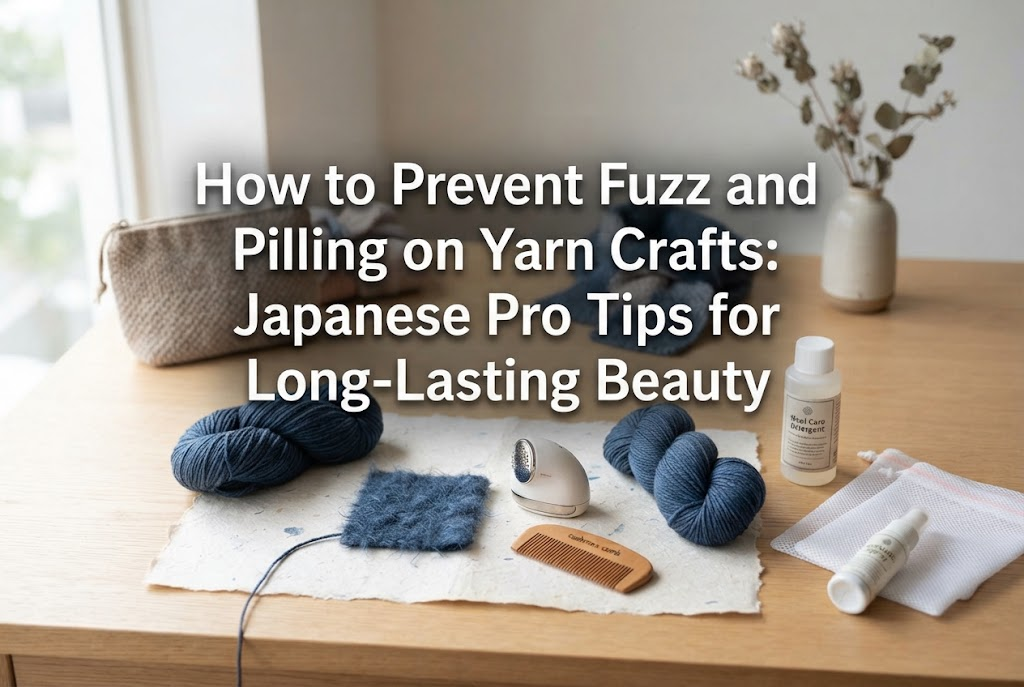
Friction inevitably creates pills over time. The one thing you must never do is pull them off with your fingers. Tugging at a pill pulls healthy core fibers out of the yarn strand, generating even larger fuzz balls later. Instead, snip pills off close to the fabric using small embroidery scissors, or gently sweep a battery-operated fabric shaver over the surface without pressing hard into the stitches.
Before packing hand-knits away for summer, wash and dry them completely. Storing garments with residual moisture invites mold and musty smells. Natural protein fibers are a favorite snack for fabric pests (like carpet beetles). Store your clean, dry knits folded inside breathable non-woven storage bins or sealed plastic storage bags alongside wool-safe insect repellents and silica moisture absorbers. Because repellent vapors sink, place the repellent sachets at the very top of your storage box for maximum protection.
Caring for handmade knitwear doesn't have to be intimidating once you follow these golden rules:
Whether it is an heirloom sweater you spent months knitting by hand or an artisan piece you fell in love with at a craft market, treating your knitwear with the right care ensures it will keep you warm, cozy, and stylish for decades to come.
I hope this guide gives you the confidence to care for all your favorite fiber treasures. If you found this helpful, please share it with your fellow makers! Until next time—happy crafting from Yassy!








For example, if you are looking for articles about mizuhiki, try searching for "mizuhiki"; if you are interested in tools, try keywords like "nippers" or "pliers."
