Japanese Clay Craft Guide: How Long Does Clay Take to Dry? Drying Times and Rules for Perfect Results
yassy
Crafters!

Hello, this is Yassy from Crafters! (・∀・)
Whenever I visit craft stores or browse online yarn shops, seeing row after row of colorful, charming skeins always gets my heart racing. I love knitting and crocheting so much that I completely lose track of time just admiring the shelves. Looking at yarns, creating project pieces, and collecting cute skeins are some of my greatest joys in life.
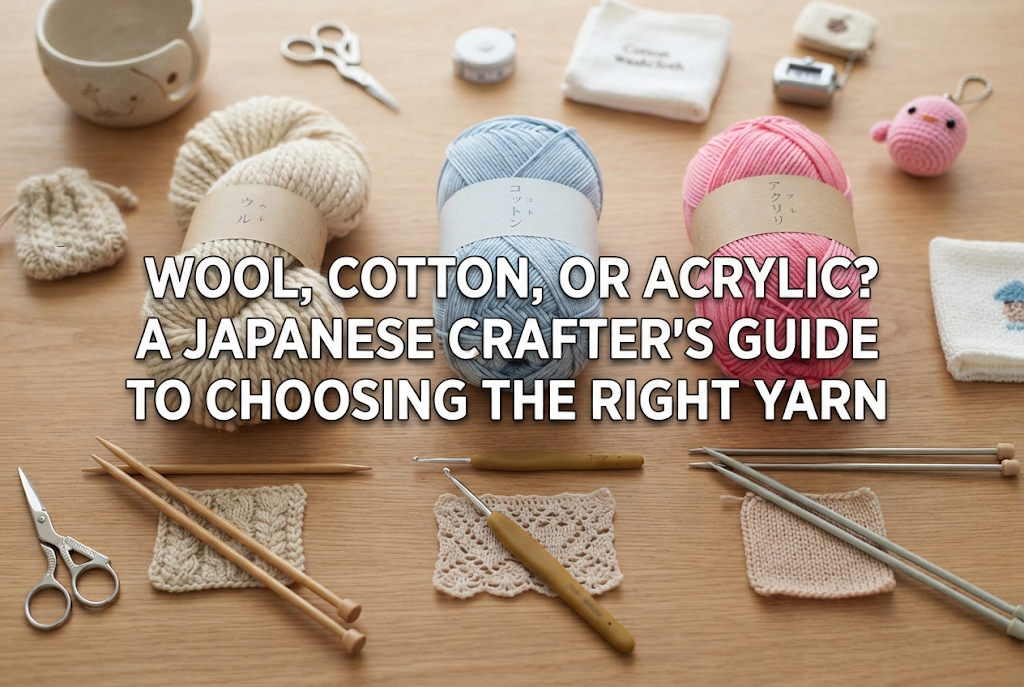
However, almost every beginner hits a major roadblock early on: choosing the right yarn material. Have you ever bought yarn based purely on its appealing color or soft texture, only to find it difficult to work with, or had your finished piece lose its shape in the wash?
The three major yarn materials—wool, cotton, and acrylic—each have very distinct characteristics and ideal uses. If you start a project without understanding these differences, your finished work will rarely turn out the way you envisioned, no matter how meticulously you stitch. On the flip side, once you fully grasp how these materials behave, you can instantly boost the quality of your handmade items.
In this guide, I will share all the knowledge about yarn materials that I have gained through my years of crafting and purchasing experiences. Let's put an end to guesswork today and master the know-how to select the perfect yarn every single time!
In knitting and crochet, selecting yarn is the single most crucial step in deciding whether a project succeeds or fails. No matter how neat and uniform your stitches are, if the material doesn't match the intended use of the item, you won't be satisfied with the final result.
The yarn material determines not just the visual appearance, but also the stitch feel, elasticity, durability, texture against the skin, and ease of care. Choosing a material without knowing its properties is like building a house without a blueprint.
Most yarns available in craft shops and online are based on three main materials: wool, cotton, and acrylic. Understanding the fundamental differences and roles of these big three is your very first step toward moving past the beginner stage.
Wool is a classic natural animal fiber sourced from sheep's fleece. It has been treasured for centuries for cold-weather clothing, and when many people think of yarn, wool is the first thing that comes to mind. The unique warmth and tactile depth of wool yarn simply cannot be replicated by other materials.
Wool's greatest strength is its extraordinary thermal insulation, created by a structure that traps plenty of air within its fibers. It blocks out cold air and traps body heat, making it an indispensable material for winter scarves, sweaters, and hats.
Furthermore, wool fibers have a natural wavy structure called "crimp." This crimp grants the yarn incredible bounce and elasticity (kickback). Because the yarn yields comfortably as you work, it reduces strain on your wrists and fingers, giving beginners a massive advantage in keeping stitch tension even.
Even if you tend to knit or crochet too tightly due to hand tension, the elasticity of wool naturally absorbs those minor inconsistencies and evens out your stitches. If you are striving for beautiful, uniform stitch definition, wool is undeniably your strongest ally.
On the other hand, wool has specific drawbacks that require careful handling. The most important thing to watch out for is felting (shrinkage) during washing.
The surface of wool fibers is covered in microscopic scales. When exposed to water and subjected to friction or agitation, these scales interlock and bind together, shrinking into a hard, dense felted texture. Because of this, standard wool items cannot be tossed into a household washing machine. As a strict rule, you should gently hand-press the item in lukewarm water using a neutral detergent formulated for delicate garments.
Also, people with sensitive skin might feel a scratchy or itchy sensation characteristic of wool. If you want to avoid itchiness entirely, make sure to choose yarn made of 100% Merino wool, which features particularly fine and soft fibers. It is incomparably smoother than standard wool and feels completely comfortable even around the neck.
Wool shines brightest when used for winter cold-weather items. Specifically, you should choose wool for:
My personal recommendation is to use Merino wool for winter items worn directly against the skin, while using sturdy standard wool for outerwear where you want to maintain structural shape.
Cotton is a natural plant fiber harvested from the seeds of the cotton plant. Loved for its skin-friendly, crisp, and refreshing texture, it is the premier choice for spring and summer items, as well as baby goods. Because its properties are completely different from wool, you need to understand how to handle it properly.
The biggest appeal of cotton yarn is its smooth, comfortable feel alongside its high absorbency and breathability. It quickly absorbs sweat and stays cool, making it completely safe and comfortable for warm weather and for baby wear.
Another major advantage of plant-based cotton is that it rarely generates static electricity. Even people with sensitive skin who get itchy from synthetic fibers can wear 100% cotton yarn in total comfort. Its natural, understated aesthetic creates a lovely, soft vibe perfect for home decor and everyday accessories.
The thing that confuses beginners most when working with cotton yarn is its lack of elasticity. Unlike wool, cotton yarn does not stretch or spring back, meaning the tension of your hands directly dictates the size and look of your stitches.
If you pull too tight, your fabric will become surprisingly hard and stiff. Conversely, if you work too loosely, your stitches will look uneven and bumpy. Working cleanly with cotton yarn requires a steady, consistent hand tension.
Additionally, cotton gets very heavy when wet. If you make a large garment out of 100% cotton, the finished piece will be quite heavy and may sag or stretch downward under its own weight while worn. It is vital to factor in this weight when planning large projects.
As for care, many cotton items can be placed in a laundry net and machine washed, making it a very user-friendly material for daily items. However, hanging them on hangers to dry will cause them to stretch, so always dry them flat.
Projects that benefit most from cotton's crisp texture and washability include:
For kitchen accessories and bags that get dirty easily and need frequent washing, cotton's durability and easy cleaning are its absolute strongest assets.
Acrylic is a synthetic fiber artificially produced from petroleum. Developed to mimic the texture of wool, it is widely available at very affordable prices in craft stores, 100-yen shops in Japan, and online retailers. Thanks to its durability and vast color selection, acrylic yarn is essential for expanding your range of handmade creations.
The greatest strengths of acrylic yarn are its vibrant color payoff and exceptional ease of use. Being a synthetic fiber, it takes dye extremely well, allowing for vivid neons, bright saturated tones, and crisp pastels that are hard to achieve in natural fibers.
Moreover, there is zero risk of moth damage, and it resists fading from sunlight, making it ideal for home decor items and long-term keepsake displays. It is also exceptionally strong and does not lose strength when wet, so you can machine wash it without worrying about shrinkage or deformation. Its low-maintenance nature is head and shoulders above the other two main materials.
Because it is inexpensive, acrylic is also kind to your wallet when you need large amounts of practice yarn or when working on colorful items featuring complex colorways.
While acrylic yarn is immensely convenient, you must keep its specific drawbacks in mind.
First, as you work, friction between the yarn strands or against your needles/hooks can create a slightly squeaky, stiff feeling. Cheaper acrylic yarns tend to exhibit this more strongly, which can cause hand fatigue due to lack of smooth glide. In terms of luxurious stitch smoothness, acrylic cannot match wool or high-quality cotton.
Also, because it lacks breathability and moisture absorption, acrylic can trap heat and sweat if worn directly against the skin as clothing, and it generates static electricity easily. Friction also tends to cause pilling over time.
Most importantly, never forget its extreme sensitivity to heat. Acrylic is thermoplastic (it melts and sets with heat). If you apply a hot steam iron directly to an acrylic piece, the fibers will melt, flatten out, and permanently lose their fluffy texture. Never press a hot steam iron directly onto an acrylic item.
Projects that leverage acrylic's vibrant colors, durability, and washability include:
Acrylic scrubbies, in particular, are a masterclass in material utilization: the microscopic grooves in acrylic fibers trap oil and dust, allowing you to clean dishes without dish soap!
Now that we've covered each material, let's compare their properties side-by-side. Use this reference to evaluate what qualities your upcoming project requires.
As this breakdown shows, arguing over which material is "best" misses the point entirely. The only correct answer is: "Which material matches the purpose of the item you want to make?"
A common misconception among beginners is thinking, "Acrylic is cheap so it's poor quality, while wool is expensive so it's only for advanced crafters." This is completely wrong. If the usage fits, acrylic is an incredible material; if the usage is wrong, even the most expensive wool will produce an unwearable item.
Here are three concrete mistake patterns that craft beginners often fall into, along with golden rules to prevent them. I have made all of these mistakes myself in the past! Keep them in mind so you don't take the same detours.
The most common mistake is impulse-buying yarn online or in a shop simply because you think, "This color and fluffy feel are so cute!" without checking if it fits your intended item.
For instance, buying cute pastel yarn to make a summer tote bag, only to realize too late that it is 100% wool—making it look and feel uncomfortably hot for summer use. Conversely, making a winter scarf out of cute cotton yarn results in a heavy scarf that offers no warmth at all.
Prevention Rule:Before purchasing yarn, clearly define when and in what situation the finished item will be used. Maintain your baseline core: wool for winter warmers, cotton for summer accessories and skin-contact items, and acrylic for decorations or heavily washed goods.
Craft patterns rely on "gauge," which measures the number of stitches and rows in a 10cm x 10cm square. Even if you buy the yarn weight specified in a pattern, a mismatch in material elasticity can cause your finished piece to end up way too large or too small.
For example, if you replace a wool yarn specified in a pattern with a cotton yarn of the same weight, wool will stretch while working and snap back snugly afterward, but cotton will not. As a result, the cotton piece sags outward, finishing a size too big and lacking structure.
Prevention Rule:When substituting a pattern's recommended material, always make a gauge swatch to verify the size. When switching between wool and cotton, you may need to adjust your hook or needle size by one size to get the correct gauge.
Not all commercial yarns are 100% single fiber. Many yarns are blended mixtures, such as 60% wool / 40% acrylic or 50% cotton / 50% acrylic.
Blended yarns are fantastic because they combine the strengths of different fibers while masking their weaknesses. However, crafters often see "acrylic" on the label, assume it can go in the washing machine without checking the actual blend ratio, and end up shrinking the wool content in the wash.
Prevention Rule:When handling blended yarns, always check the fiber percentage ratio and care symbols on the yarn label. If a yarn contains 30% or more wool, follow wool hand-washing standards as a rule of thumb to prevent laundry disasters.
If you are wondering, "So which yarn should I buy for what I want to make?" here are my exact golden rules for selecting materials by project. Follow this guide and you won't fail!
Recommended Material: 100% Merino Wool, or Wool-Blend YarnThe skin on the neck is thin and sensitive to scratchiness. Never compromise here—use high-quality 100% Merino wool for ultimate warmth and comfort. If you want a budget-friendly and easy-care option, a 50% wool / 50% acrylic blend yields a lightweight, warm, non-scratchy scarf.
Recommended Material: 100% CottonFor delicate baby skin or warm-weather items, 100% cotton is the clear choice. For baby items, organic cotton is my top recommendation for peace of mind. For bags and coasters, choose a tightly twisted, firmer cotton yarn to create sturdy items that won't stretch out of shape.
Recommended Material: 100% Acrylic100% acrylic is ideal for 3D amigurumi plushies and decorative home items. Its vibrant colors make characters and animals pop, and it won't fade over time. When making acrylic scrubbies, choosing a worsted/aran weight antibacterial acrylic yarn maximizes its cleaning performance.
Recommended Material: Wool/Acrylic Blend, or Washable WoolFor garments worn daily, wool/acrylic blends offer the warmth of wool combined with the lightness and strength of acrylic. They are lighter than 100% wool and hold up better against friction at the elbows. Alternatively, choosing machine-washable wool (shrink-resistant treated wool) is a very smart choice for everyday clothes.
Now that you know your materials, let's look at key details to observe when buying yarn in person or evaluating photos and product listings online.
The paper sleeve wrapped around a skein contains everything you need for a successful project. Always verify these three details before buying:
Pay special attention to the yarn length (meters or yards). Wool and cotton have different densities. Cotton is heavier, so a 50g skein of cotton will be shorter in length than a 50g skein of wool. If a pattern calls for 300g of yarn, but you switch materials, you must calculate based on total meterage rather than weight—otherwise, you'll run out of yarn mid-project!
Yarn is made by twisting multiple fine strands together. The tightness of this twist dramatically affects both workability and final texture.
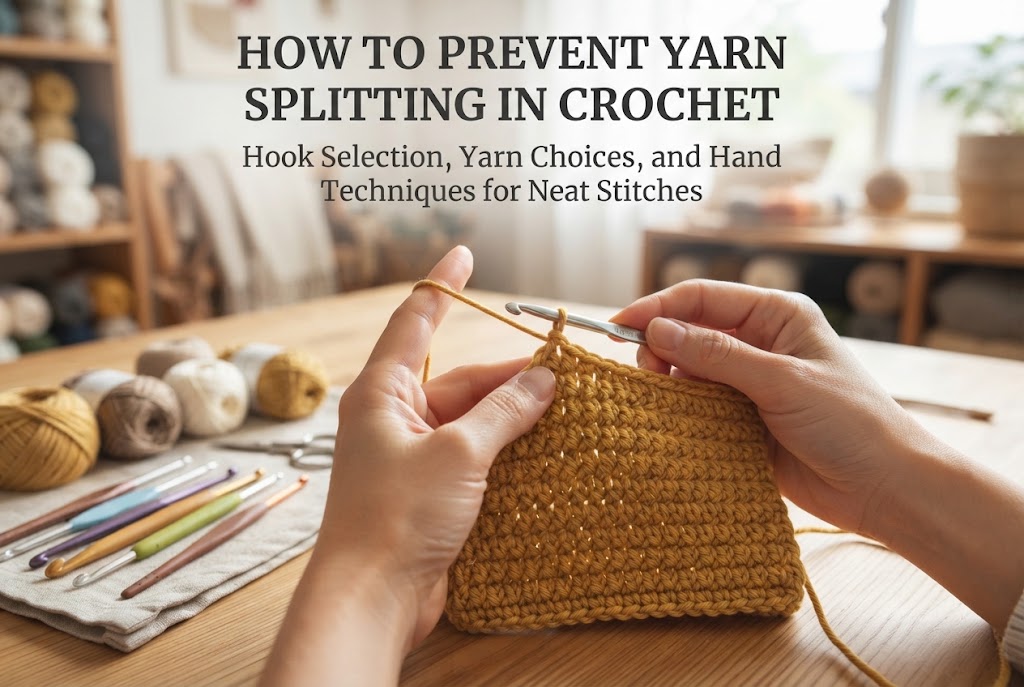
Loosely twisted, fluffy yarn feels soft and warm, but your hook or needle tip can easily split the strands while stitching. If you are a beginner looking to avoid the frustration of splitting yarn, select a yarn with a firm, tight twist.
When shopping online, zoom in on product photos to check if the twisted texture on the yarn surface is clearly defined.
The three main yarn materials—wool, cotton, and acrylic—each bring distinct personalities and essential roles to crafting:
Once you understand these characteristics, choosing yarn at the store becomes effortless and fun. Selecting the right yarn for your intended project will dramatically improve both your crafting experience and the beauty of your finished work.
Graduate from buying yarn just because it looks cute, embrace these golden rules of yarn materials, and bring your gorgeous handmade projects to life!
If you found this guide helpful, please share it with your crafting friends on social media or messaging apps—it means the world to me and keeps me motivated! See you in the next article! This was Yassy from Crafters!

For example, if you are looking for articles about mizuhiki, try searching for "mizuhiki"; if you are interested in tools, try keywords like "nippers" or "pliers."
