How to Choose Cross-Stitch Fabric: A Guide to Fabric Types, Thread Counts, and Prep
yassy
Crafters!
Hello everyone, Yassy from Crafters here! (・∀・)
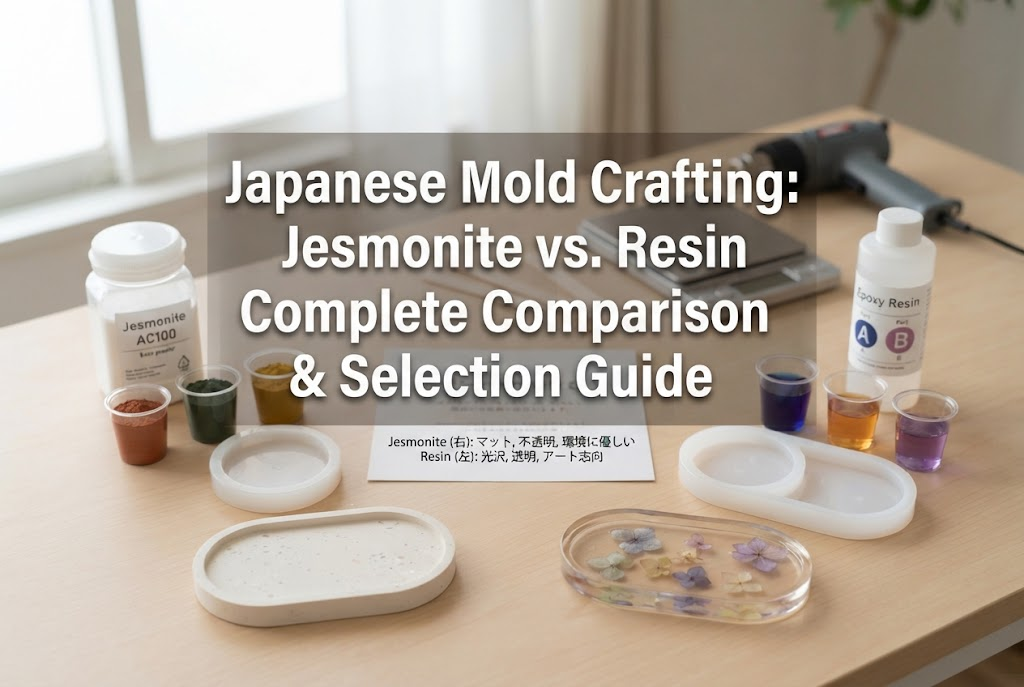
Pouring liquid materials into silicone molds to create cute home decor and accessories has established itself as an immensely popular craft genre. However, when you decide to try mold-based crafting, you inevitably run into a major decision: should you use Jesmonite or resin?
Because both materials follow a very similar process—pouring liquid into a mold and letting it harden—beginners often ask: "Are they basically the same material with different names?" In reality, they are completely different in their core chemical composition, handling requirements, safety, and finished texture.
As a craft creator, I often find myself captivated by the crystal-clear transparency of resin when making detailed pieces, while at other times I fall in love with the chic, ceramic-and-stone-like texture of Jesmonite and spend hours immersed in making home decor. Both materials have unique merits, and the right choice depends on what you want to make and your workspace.
In this guide, I will break down the differences between Jesmonite and resin in an easy-to-understand way. We will cover their fundamental compositions, safety notes, common beginner mistakes, and practical guidelines for choosing the perfect material for your project.
To understand how to handle these materials safely and effectively, let's start by looking at what they are actually made of and how they harden.
The defining feature of Jesmonite is that it is a water-based composite material that is gentle on both the environment and the human body. It consists of two main components that you measure and mix together: an acrylic-based liquid resin and a reactive mineral base powder.
When you mix the powder and liquid together, an internal hydration reaction takes place, transforming the smooth liquid into a solid piece. Because it contains no solvents or oil-based chemical components, there is zero unpleasant chemical odor. It is VOC-free (volatile organic compounds), making it exceptionally safe among mold-casting materials.
You can think of Jesmonite as a super-high-quality, evolved water-based plaster that is surprisingly durable and resistant to breaking. It lacks the brittleness of traditional plaster, combining the flexibility and strength of resin.
On the other hand, craft resin is a synthetic resin derived mainly from petroleum-based chemicals. In the handmade craft world, resin generally falls into two categories:
Both types of resin transform from liquid to hard plastic via a polymerization chemical reaction. Because they are organic chemical materials, they carry a distinct chemical odor. Uncured resin can also cause skin allergies upon contact, so careful handling and safety precautions are required.
The finished look and tactile feel of a completed piece differ completely between Jesmonite and resin. Matching these characteristics to your design concept is key to success.
Items made with Jesmonite have a smooth, muted matte finish. To the touch, they feel sleek and heavy, offering a luxurious quality similar to fine ceramics, terrazzo (manufactured marble), or real natural stone.
Instead of reflecting light with a high shine, Jesmonite softly absorbs light, creating an understated elegance. It pairs exceptionally well with Nordic interior accents, modern aesthetics, and sophisticated muted color palettes. Furthermore, by sanding the surface, you can expose internal aggregates or chips to create authentic terrazzo stone effects.
Resin's defining characteristic is its striking transparency. Once cured, the surface reflects light vividly, giving it a glossy, smooth brilliance similar to glass or ice.
Because resin allows light to pass through completely, it excels at embedding object layers and displaying transparent color effects. Its high shine makes it ideal for eye-catching jewelry and projects that celebrate clarity and light.
Your crafting environment and personal safety are critical factors when choosing your material.
Because Jesmonite is solvent-free and VOC-free, it releases no toxic fumes or harsh odors. You can safely craft inside living areas, even in households with young children or pets.
You do not need heavy ventilation setups or organic vapor respirators. You can simply set up at a kitchen table or living room desk and start working whenever inspiration strikes. Additionally, if liquid Jesmonite gets on your hands or tools before curing, it can be easily washed off with warm water and soap.
When handling uncured resin liquid, safety precautions are mandatory. Repeated direct skin contact with UV or epoxy resin components carries a risk of developing resin allergies.
Always wear disposable nitrile gloves and safety goggles while working. Because chemical vapors are emitted during mixing and curing, you must work in a well-ventilated space with an exhaust fan running or two open windows for airflow. Tools coated in liquid resin cannot be cleaned with water; you must wipe them clean using alcohol/ethanol or resin cleaner.
The time required from pouring into a silicone mold until demolding directly impacts your crafting workflow.
With standard Jesmonite (such as the popular AC100 type), initial curing takes only 15 to 20 minutes after mixing and pouring into the mold. Once the exothermic reaction cools and the material feels firm to the touch, you can remove it from the silicone mold right away.
While full structural strength develops as remaining moisture evaporates over the next few hours, demolding quickly allows you to re-use your mold immediately for the next piece. Even if you only own a single mold, you can batch-produce multiple pieces in a short time, making it ideal for workshops or event preparations.
Resin cure times depend heavily on the type used:
Understanding which visual techniques each material excels at will help you turn your creative ideas into reality.
If you are wondering which material fits your project, here are straightforward guidelines based on application:
If you want to create trays, coasters, vase bases, or desk organizers, Jesmonite is the clear winner. Making thick, large pieces with epoxy resin requires large amounts of liquid (which raises material costs) and takes days to cure while managing air bubbles. Jesmonite keeps material costs manageable, demolds in 20 minutes, and yields a solid, high-end matte finish that fits modern home interiors.
For delicate wearable accessories, resin holds the clear advantage. While Jesmonite can form small pieces, its opaque matte finish cannot match resin's glossy, gem-like clarity when paired with metal findings or rhinestones. A few drops of resin in a small silicone mold cured under UV light yields instant, durable jewelry parts.
When crafting alongside children or working at a shared dining table without heavy ventilation, Jesmonite's non-toxic, water-based nature makes it the safest choice. Children can safely measure, mix, and pour liquid and powder under supervision without exposure to harsh chemical vapors.
When I design projects, I divide my material selection cleanly based on function and visual mood.
For functional home decor items—like trinket dishes for holding jewelry or candle bases—I choose Jesmonite 100% of the time. Its subtle, stone-like texture elevates whatever object rests on top without overwhelming it.
Yassy's Jesmonite Tip: Always use a digital scale accurate to 0.1g. Eyeballing Jesmonite ratios can lead to soft pieces or incomplete curing. Sticking strictly to the standard liquid-to-powder ratio (typically 1 part liquid to 2.5 parts powder by weight for AC100) ensures zero failure.
For small decorative accents that catch the light or flower preservation pieces, I select resin.
Yassy's Resin Tip: Warm your resin liquid in warm water or use an embossing heater to lower viscosity before pouring. This allows trapped air bubbles to escape easily, leaving a crystal-clear, high-gloss finish.
I also enjoy hybrid techniques, such as pouring liquid resin into a recessed Jesmonite dish to create a shiny, glass-like pool inside a matte ceramic frame!
Neither material is strictly superior to the other; the right choice comes down to your desired design aesthetic, safety preference, and craft environment.
Jesmonite offers unmatched safety, quick demolding, and a chic stone finish ideal for home decor. Resin offers incredible transparency and high-gloss shine that makes colors and embedded details sparkle.
I hope this guide helps you feel confident when selecting your materials. Molding your own handcrafted items and popping them out of silicone molds is a wonderfully satisfying experience!
If you found this article helpful, please feel free to share it with your fellow crafters. Happy crafting, and see you in the next guide!

For example, if you are looking for articles about mizuhiki, try searching for "mizuhiki"; if you are interested in tools, try keywords like "nippers" or "pliers."