4 Ways to Print on Transparent Materials: Complete Guide to Image Transfer, Preventing Ink Peeling, and Fixing Color Transparency
yassy
Crafters!
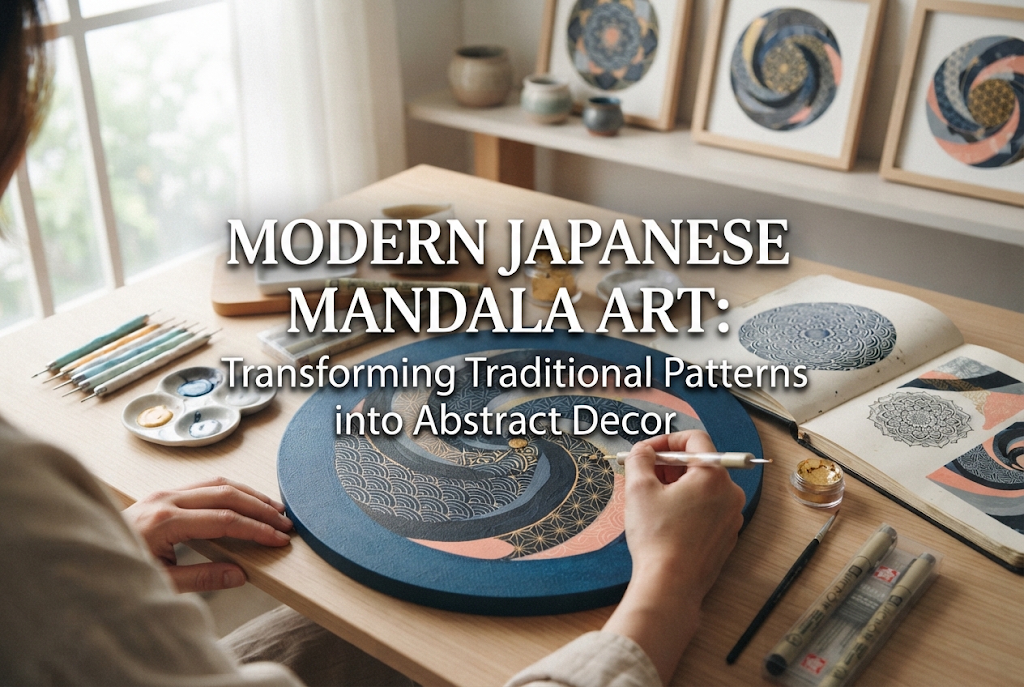

Hello everyone, it's Yassy from Crafters! (・∀・)
Mandala art, with its delicate patterns radiating outward from the center, is a captivating craft. Simply gazing at the neat, rhythmic geometric shapes brings a sense of calm, and the process of drawing them offers a deeply therapeutic experience.
However, many crafters feel that traditional mandala designs can be a bit formal or rigid, wishing instead for modern, stylish pieces that seamlessly fit contemporary room interiors.
The good news? By subtly tweaking the traditional rules of mandala art and combining them with modern color schemes and materials, you can transform these classic motifs into striking abstract art!
In this article, I will share how to create modern mandala art—preserving the elegance of traditional geometry while embracing free-form, trendy expressions. I'll also cover essential techniques and beginner-friendly tips to avoid common pitfalls, so please enjoy reading through to the end!
Before diving into techniques, let's clarify the characteristics of traditional mandala art and how modern interpretations differ.
Traditional mandala art originates from spiritual diagrams in Buddhism and Hinduism. As a form of artistic expression, its defining feature is the creation of geometric patterns with precise radial and axial symmetry radiating from a central point.
By drawing meticulous guidelines and layering motifs like flower petals and concentric circles at millimeter-exact intervals, crafters create a refined sense of harmony and order. This absolute symmetry is the essence of traditional mandala art.
A modern approach retains the core foundation—repetitive motifs expanding from a center—while giving you full creative freedom over composition, color palette, and materials.
By intentionally breaking perfect symmetry, incorporating trendy muted tones (like those popular in Scandinavian or modern decor), and adding tactile textures to the canvas, your piece morphs into sophisticated abstract art. Breaking free from rigid rules is where the true excitement of modern mandala art lies!
Selecting the right surfaces and mediums is key to achieving a modern aesthetic. Here are some easily accessible recommended tools:
The texture of your chosen surface dramatically changes the final look of your artwork:
My top recommendation for beginners is a small square wooden panel or stretched canvas (around 15 cm × 15 cm / 6 × 6 inches). Square formats complement mandala compositions beautifully and look sleek when displayed as interior decor.
Your choice of color tools defines the texture and vibrancy of your piece:
While you can draw freehand, using minimal guide lines ensures a balanced design:
Here are five actionable techniques to elevate your mandala artwork into chic, contemporary abstract pieces.
The easiest way to achieve a modern aesthetic is to shift the center of the mandala away from the middle of the canvas.
While traditional mandalas always place the center dead in the middle, modern variations place the focal point near one corner or extend a large circle beyond the edge of the frame. The contrast between detailed patterns and open negative space immediately creates a stylish, graphic look.
Traditional mandalas often feature bright primary colors like red, yellow, blue, and green, or vivid rainbow gradients. For modern spaces, updating your color palette is essential.
A helpful rule of thumb for a refined abstract look is limiting your palette to about three colors: a main color, a supporting color, and an accent color.
Instead of filling space purely with solid lines, try using dotting tools to build shading and gradients with varied dot sizes—a method known as dot mandala.
By arranging dots from large to small, you can produce rhythmic, undulating dimensional effects. Blending structured geometric lines with flowing, organic curves (like freehand spirals or wave motifs) produces a captivating contrast between structure and fluidity.
To upgrade a flat drawing into display-worthy dimensional art, add physical texture.
Apply acrylic modeling paste or gesso with a palette knife to give the surface a rustic, tactile grain before drawing your patterns over it. You can also apply foil flakes (gold or silver leaf) to select sections or the center using adhesive. The metal leaf catches light dynamically from different angles, giving the piece a high-end luxury feel.
Combining mandalas with fluid art—such as acrylic pouring or alcohol ink art—is immensely popular right now.
First, create a background with marble-like paint swirls or soft, expanding alcohol ink gradients. Once fully dry, layer precise, crisp white or gold mandala geometry over the organic fluid background using fine pens.
The juxtaposition of accidental, flowing backgrounds with intentional, precise geometric lines produces a mysterious, elevated modern aesthetic.
Perfectionist beginners often get upset over a petal that is slightly off-size or an angle that isn't exact. However, in modern mandala art, hand-drawn subtle variations add charm and warmth. You don't need machine-like precision.
If you make a misplaced mark, simply draw extra dots or small motifs around it to absorb the variation into the design! Integrating mistakes often leads to unique, original new patterns.
Using too many paint colors or pens can cause the artwork to lose focus. To avoid this, select up to three colors before starting and set them beside your canvas. If you want to add another color mid-way, ensure it shares the same tone (value or saturation) as your initial set.
For example, a combination like navy, white, and gold creates a clean, sophisticated urban palette.
When working outward from the center, it's common to freeze up, unsure of what pattern to add next. When this happens, avoid forcing intricate lines; instead, draw a plain, thick solid band or ring to create a visual break.
Stepping back to view your piece from a distance, or taking a quick photo with your smartphone, allows you to judge overall balance objectively and decide where to add lines or leave negative space.
Mount your canvas or frame your art to display on your wall. Hanging a triptych of three matching square panels, or arranging a group of varying sizes, instantly turns your room into a gallery-like space.
Use Posca pens or acrylics to draw mandalas directly onto white ceramic coasters, wooden trays, or trinket dishes. Applying a coat of heat-resistant, waterproof varnish or clear resin renders them durable, functional handmade crafts.Resin JewelryDraw delicate mandala patterns on shrink plastic, clear film, or metal bezel bases, then seal them with crystal-clear UV/LED resin. The combination of gold geometric lines and clear resin creates elegant, non-overpowering earrings and pendants.
Modern mandala art offers a fresh take on traditional geometric patterns, turning timeless shapes into stylish abstract art. You don't need to feel bound by strict rules—experimenting with asymmetric layouts, soft muted palettes, metallic accents, and mixed media opens up endless creative possibilities.
Let go of the pressure to be perfect, and enjoy the soothing rhythm of expanding patterns and colorful expression. If you enjoyed this guide, please share it with your creative friends on social media or messaging apps!
Thank you for reading, and see you in the next article! This was Yassy from Crafters!






For example, if you are looking for articles about mizuhiki, try searching for "mizuhiki"; if you are interested in tools, try keywords like "nippers" or "pliers."