Mastering Crochet Increases and Decreases: A Japanese Craft Guide to Shaping and Flawless Silhouettes
yassy
Crafters!
Hello everyone, I’m Yassy from Crafters! (・∀・)
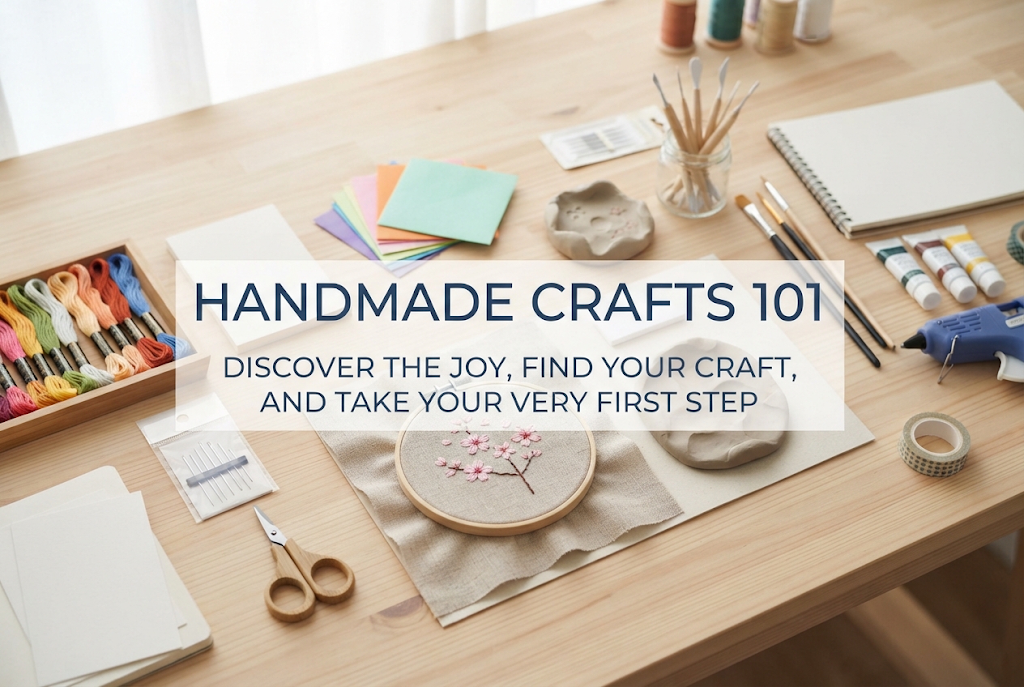
Welcome to the wonderful world of handmade crafts! If you’ve clicked on this article, chances are you're feeling that exciting spark—thinking, "I want to try making something with my own hands," or "What makes crafting so captivating?"
For me, crafting isn't just a hobby; it’s practically all I think about year-round! Aside from making my own pieces, I love admiring and buying creations from other talented makers. Handcrafting goes far beyond simply keeping your hands busy—it is truly one of the best ways to bring vibrant color and joy into your daily lifestyle.
If you're asking yourself, "What exactly makes handmade goods so special?" or feeling nervous, thinking, "Could someone clumsy like me actually make anything nice?"—let me reassure you right now: there is nothing to worry about! In this guide, I will share all my knowledge and experience to break down the true value of handmade, introduce the main craft genres you should know, help you pinpoint the craft that matches your lifestyle, and show you how to take your first steps smoothly without failing.
Literally speaking, "handmade" simply means made by human hands rather than by machine. In modern craft culture, however, its value stretches far beyond that basic definition. Handmade creations possess a distinct depth, warmth, and charm that mass-produced, factory-made goods simply cannot replicate.
Here is why handmade craft holds such enduring appeal and why it continues to captivate so many people around the world.
The single greatest beauty of handmade items is that each piece is a genuine original—truly one of a kind. Even when using the exact same molds or supplies, a maker’s personal touch, spacing, pressure, and color choices ensure that their unique individuality shines through in the finished work.
Store-bought, mass-produced items all look identical and offer the exact same uniform design. Handmade creations, in contrast, carry the maker's care and passion right down to the smallest detail. When you step into the role of the creator, you gain the freedom to turn your own personal aesthetic into a tangible, unique treasure that exists nowhere else.
Even from the perspective of an admirer or buyer, handmade goods offer an incomparable delight: the thrill of wearing or using something no one else has, accompanied by the comforting, tactile warmth of human craftsmanship.
Another wonderful aspect of the handmade community is that you don’t have to limit your enjoyment to "making." I personally enjoy all three dimensions of the craft lifestyle: admiring, buying, and creating.
Because you can freely move between these three experiences, handmade craft becomes a lifelong pursuit with bottomless depth.
The term "handmade" covers an enormous range of creative fields. From accessories to home decor and functional goods, the options are vast, and beginners often tell me, "I don't even know where to start looking!"
To help you navigate, I have organized the primary handmade genres into three accessible categories. Understanding the distinct qualities of each is your first step toward finding the craft that suits you best.
Accessories represent one of the most recognizable and widely loved areas of handmade craft. This category focuses on items you wear, such as earrings, pierced studs, necklaces, and rings.
Popular techniques include UV and LED resin, which allows you to create crystal-clear pieces effortlessly; beading and natural gemstones, known for their sparkle and classic appeal; and wire wrapping, which highlights delicate curves and structure. Because jewelry making requires very little tabletop space and allows you to complete polished, high-quality pieces in a relatively short time, it is one of the easiest gateways for newcomers.
If you enjoy working in three dimensions or love exploring raw tactile materials, sculptural and modeling crafts are an ideal fit.
This group includes resin clay and lightweight air-dry clay, widely used for sculpting hyper-realistic miniature foods and charming figurines; plaster and Jesmonite, popular for casting sleek, matte-finish trays and modern interior accents; and woodcraft, celebrated for its natural warmth. Whether you are shaping clay from scratch or pouring compounds into silicone molds, these tactile crafts offer deep immersion where hours can pass before you even notice.
Lifestyle and interior crafts bring soothing ambiance and practical function straight into your living space.
This category features candle making, which enlivens a room with gentle flame and fragrance; leathercraft, where pieces develop a richer patina the more you use them over the years; and traditional Japanese techniques adapted for modern life, such as tsumami zaiku (the art of pinching and folding small squares of fabric to form intricate floral motifs). Many of these crafts produce functional pieces that you can use every day, decorate your home with, or gift to loved ones.
With so many enticing possibilities, it is completely natural to wonder, "Which craft should I pick first?" Choosing at random without considering your lifestyle can lead to frustration and burnout.
Here are reliable, practical criteria to help you select the craft that matches your interests and personal circumstances.
The most crucial factor in choosing a craft is your genuine sense of excitement: What kinds of items spark joy when you see or wear them? If you naturally gravitate toward browsing jewelry, start with accessories. If you love interior accents and home styling, exploring candles or Jesmonite casting is a wonderful direction.
Equally important is taking a realistic look at your living environment. For instance, if you live with small children or curious pets, quiet tasks that don't produce strong odors—like kneading clay or sorting beads—are often much easier to manage than processes requiring strict ventilation. Aligning your natural taste with your physical living situation is the secret to crafting happily for the long run.
Before diving in, take stock of your starting budget and available workspace.
If you only have a small desk corner or a section of the dining table to spare, space-efficient crafts like resin, beading, or tsumami zaiku are ideal. In contrast, disciplines like leathercraft or woodworking require specialized hand tools, light hammering, and larger work surfaces.
Starting with a craft that fits comfortably on the desk space you already have is the smartest, stress-free route.
Many aspiring crafters hesitate to take the leap due to a few common misconceptions. Fortunately, every single one of these worries disappears once you look at the reality of modern craft making.
So many people hold the belief that being "all thumbs" disqualifies them from making things. But let me say this clearly: that is a complete myth! What determines a beautiful finish in handmade crafts is not inborn dexterity, but simply knowing the right steps and using the right tools correctly.
With resin, for example, pouring liquid into a prepared silicone mold and curing it under a UV light allows virtually anyone to create a smooth, glossy piece. Craft supplies and tools have evolved significantly, meaning that as long as you follow the proper steps, you can achieve wonderful results regardless of your past experience. There is no need to give up before you even try!
Conscientious beginners often think they need a full studio lineup of professional-grade tools before they can even start. That, too, is a mistake.
Investing in a complete, expensive set from day one risks leaving you with unused gear if you discover that a particular craft isn't for you. The wisest strategy is to either buy only the bare minimum tools needed for one small project, or begin with a starter kit that includes all necessary materials. Expanding your toolkit gradually as you need new items is far more economical and rewarding.
When you browse social media or craft marketplaces, you see breathtaking, near-flawless creations by seasoned artisans. It’s easy for beginners to feel intimidated and think, "If I can't make something that looks sellable, what's the point?"
You never need to aim for retail quality right away! The primary joy of handmade craft lies in the process of making and bringing your own ideas into physical form. Don't stress over tiny imperfections; learning to appreciate slight variations as the unique character of handwork is what allows you to improve naturally and enjoy every step.
Now that you understand the different crafts and what to expect, you might be asking: "What concrete steps should I take tomorrow?" Here is my practical, step-by-step roadmap to start smoothly and experience the sheer thrill of making things.
For your very first venture, I strongly recommend picking up an all-in-one craft kit. Quality kits contain precisely measured supplies alongside clear, step-by-step instructions.
Gathering materials independently often leads to buying parts in mismatched sizes or forgetting essential supplies. A kit removes that friction entirely. Focus on completing just one project from start to finish according to the recipe. That initial feeling of completion will become the proud cornerstone of your creative journey.
Once you have your supplies ready, deliberately set aside a peaceful window of time in your weekly routine just for crafting. Put on your favorite music, brew a warm cup of tea on a quiet afternoon, set your phone aside, and immerse yourself in the work.
Stepping away from daily hustle to shape raw materials with your own hands is an exquisite form of mindfulness and relaxation. While the finished object is wonderful, taking time to savor the quiet focus of the process itself is the true heart of handcrafting.
Once your project is complete, don't hide it away in a drawer—put it to use right away! Stepping out while wearing an accessory you crafted, or lighting a candle you poured yourself, brings a sense of quiet pride and happiness that words can hardly describe.
Sharing your work with family or friends is equally rewarding. Hearing someone say, "That’s so pretty! Did you really make that?" provides incredible motivation for your next project. Make it, use it, and bring a smile to someone’s face—once you taste that joy, you’ll truly be hooked on crafting!
Once you grasp the basics and complete your first piece, your creative horizon broadens rapidly. A single technique quickly leads to new curiosities: combining resin with pressed botanicals, pairing leather with forged metal accents, or blending traditional motifs with contemporary styling.
The craft world has no fixed finish line. Every day offers chances to discover fresh materials and exciting techniques. Here at Crafters, we share in-depth technical guides, troubleshooting advice, and step-by-step methods across a wide variety of handmade crafts. Whenever you find yourself wondering, "What should I make next?" please drop by and explore!
In this guide, we explored the core meaning of handmade crafts, the primary genres to explore, and practical ways to launch your new hobby without feeling overwhelmed.
Handmade crafting is far more than just assembling materials. It is a way to give shape to what you love, soothe your mind through quiet focus, and brighten your everyday routine with one-of-a-kind treasures.
Don't let worries about dexterity or technical skill hold you back. Start by picking up a simple kit in a medium that catches your eye. The moment you begin working with your hands, the world around you becomes a little more vibrant and a lot more fun—I, Yassy, guarantee it!
I am cheering you on as you embark on a creative journey filled with inspiration and discovery.
If you found this guide helpful, sharing it with your creative friends on social media or messaging apps means the world to me. See you in the next article! This has been Yassy from Crafters!
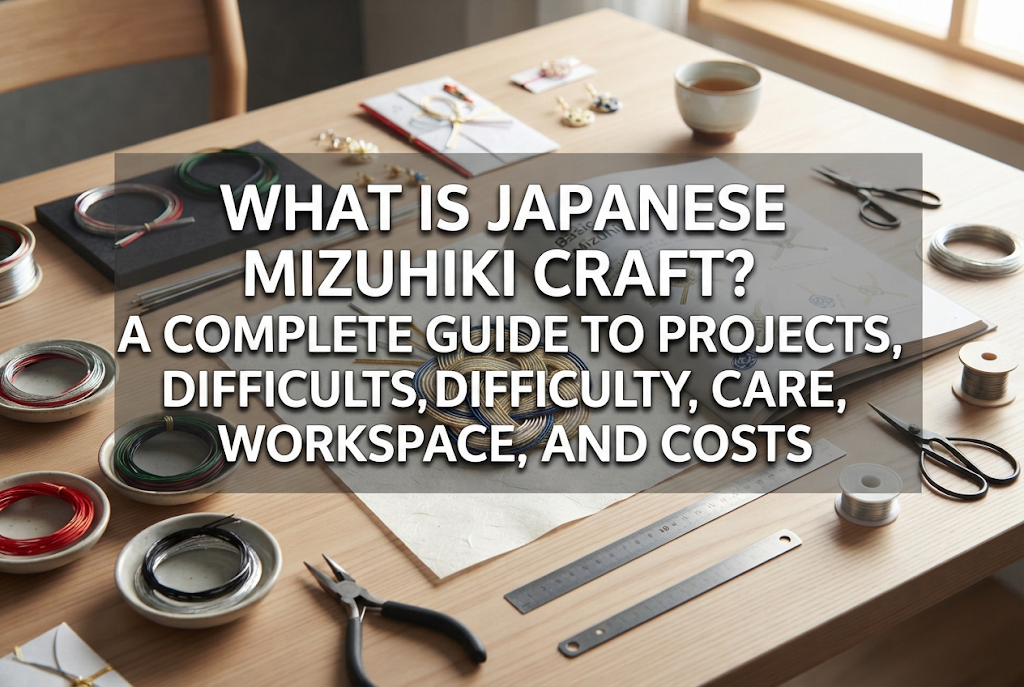
For example, if you are looking for articles about mizuhiki, try searching for "mizuhiki"; if you are interested in tools, try keywords like "nippers" or "pliers."